

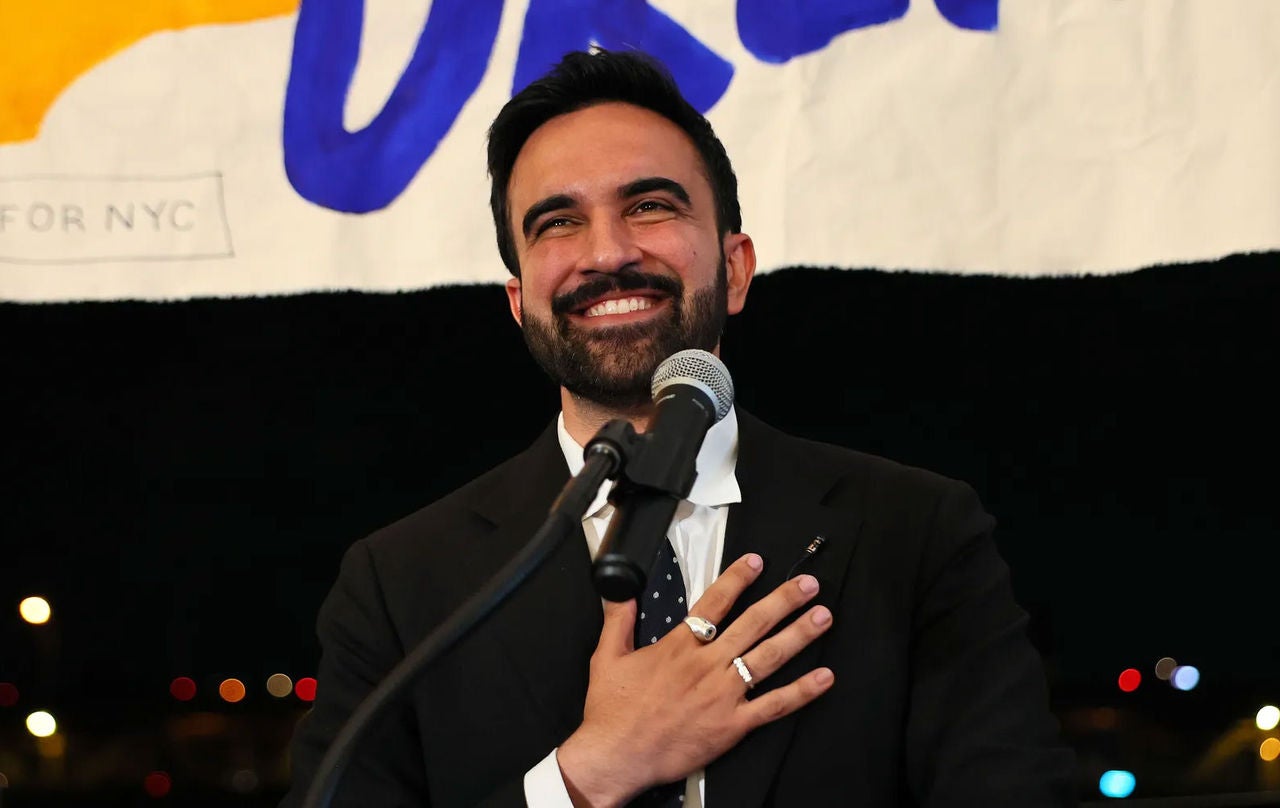
Mayor Zohran Mamdani‘s pied-a-terre tax survived its first major court test on Wednesday, when a Brooklyn appeals court unanimously threw out a lawsuit challenging how New York City rolled out the controversial levy on luxury second homes. The ruling hands the mayor a significant legal victory — and it keeps the city’s most ambitious tax on the wealthy alive while bigger legal fights still lie ahead.
Mamdani Pied-a-Terre Tax: What the Appeals Court Decided
The four-judge panel of the Brooklyn Appellate Court dismissed the case brought by seven homeowners from across the city, ruling they had no concrete legal right to sue. The homeowners said they did not owe the tax but still received what they called “threatening” letters from the city, and they argued the rollout was “arbitrary and capricious.”
The court disagreed on every point. “The mere receipt of the initial determination notices … does not qualify as an injury,” the judges wrote, adding that the letters served “an informational purpose.” Publishing a tax roll with nearly one million properties could not count as an injury either, the panel said, because property tax records have long been public — and “confusion” alone is not enough to give someone the right to sue the city.
The judges were equally blunt about the claim that the city had unfairly shifted the burden onto homeowners to prove where they live. “All taxpayers incur time, effort, and costs in determining and complying with their various tax obligations,” the panel wrote, noting the homeowners “have not documented and quantified any actual costs incurred.”
Mamdani welcomed the decision. “From day one, those with the most have attempted to use every legal avenue available to shield their wealth and avoid contributing more to our city,” he said. “We will implement the pied-a-terre surcharge fairly and efficiently, ensuring that those most able to contribute do their part to build a city that works for everyone.”
How the Pied-a-Terre Tax Works
The pied-a-terre tax is an annual surcharge on New York City homes that are not their owner’s primary residence. Championed by Mamdani and signed into law by Governor Kathy Hochul in May 2026, it took effect on July 1, 2026, and is set to run until June 30, 2031. City Hall projects it will raise about $500 million a year, with the money going toward city services and closing the budget gap.
For the first two tax years, the surcharge applies to condominium and co-op units valued at $1 million or more, and to one-, two- and three-family homes valued at more than $5 million. Condo and co-op owners pay 4 percent of market value below $3 million, 5.25 percent from $3 million to under $5 million, and 6.5 percent at $5 million or more. Houses pay lower rates — 0.8 percent below $15 million, 1.05 percent up to $25 million, and 1.3 percent above that — but on far larger values. A $30 million single-family home, for example, would owe 1.3 percent on the whole value: $390,000 a year, on top of its regular property tax.
The city’s comptroller estimates about 13,500 properties could be affected. The first notices went out on July 23, 2026, and roughly 17,000 letters were mailed in total. Owners had until October 13, 2026, to apply for an exemption, and the first surcharge payments are due on January 1, 2027.
Why Homeowners Sued — and Why the Court Said No
The lawsuit did not attack the tax itself. It attacked the rollout. The homeowners, represented by powerhouse City Hall legal antagonist Randy Mastro, said the city had botched the process: it mailed thousands of notices before doing a thorough review, then published a supplemental tax roll listing nearly a million properties and left owners to prove they actually lived in their own homes.
In September, Staten Island Supreme Court Justice Wayne Ozzi agreed with them. He ruled that homeowners who received the first notices were “substantially harmed and penalized needlessly,” and ordered the city to cancel the roughly 17,000 notices, take down the published roll, and redo the rollout using updated information. City Hall appealed immediately, and the appeal put Ozzi’s order on hold while the case moved forward.
The appeals court has now wiped that ruling away entirely — not by deciding the rollout was flawless, but by deciding the homeowners never had the right to bring the case at all. Standing, the legal doctrine at the heart of the ruling, requires a plaintiff to show a concrete injury. Receiving a letter, appearing on a public tax roll, and feeling confused did not clear that bar, the panel ruled.
Mastro did not hide his frustration. “It’s a shame that, after the City admittedly botched the rollout of this surcharge, the court today took the procedural offramp of standing to avoid addressing the merits of this case,” he said Wednesday. “What the City has done here is unconscionable — trying to ensnare thousands of people who don’t owe this surcharge into having to prove they live in their own homes or else have to pay it.”
What Happens Next: The Fight Over the Tax Itself
Wednesday’s ruling settles the rollout fight, but the tax itself is still in the dock. Mastro said the “ultimate day of reckoning” will come next month, when a court on Long Island hears a separate lawsuit he filed that directly challenges the surcharge’s constitutionality. Two other legal challenges are also pending.
The early signs from the exemption process suggest the rollout was messier than City Hall admits. About 55 percent of owners who were hit with a tax bill have successfully appealed so far, according to The City, and the Department of Finance has granted more than 8,800 of roughly 11,000 exemption applications. Those figures have led some experts to question whether the city will actually collect the $500 million Mamdani projected.
“We remain confident we will prevail and put an end to this unconstitutional surcharge altogether,” Mastro said.
What the Ruling Means for New York’s Luxury Market
For all the legal noise, the luxury market itself has barely blinked. Evidence is mounting that the tax is not chasing wealthy buyers away: high-end sales have held up since the surcharge took effect on July 1, despite warnings from the Real Estate Board of New York and other industry groups that it would collapse the market for trophy apartments.
That resilience matters because the tax was always aimed at a narrow slice of the market — second homes on Billionaires’ Row and in Manhattan’s priciest towers, where a $5 million condo is the entry point, not the exception. If buyers keep buying, the revenue may yet arrive. If the courts strike the tax down next month, the city will have to find that $500 million somewhere else.
For now, though, Mamdani has the win he wanted: his signature tax on the wealthy survived its first day in court, and the rollout — letters, tax roll and all — can proceed.