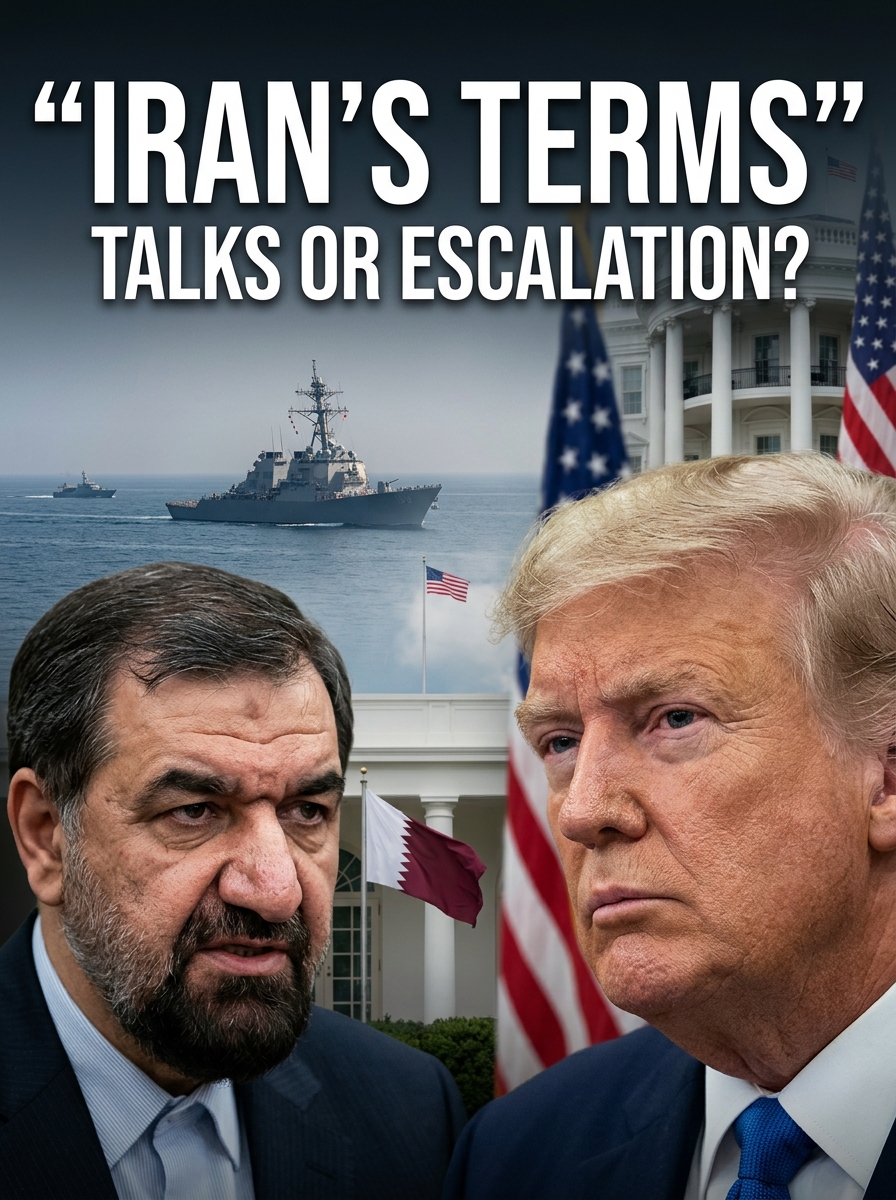
Washington Weighs High-Stakes Decisions as Iran Conveys Terms to Revive Stalled Talks
Washington at a Crossroads: Navigating Stalled US-Iran Talks and Escalating Regional Pressures
The geopolitical landscape of the Middle East is once again facing a critical inflection point. Washington is actively weighing high-stakes decisions regarding ongoing military escalations and heavily stalled diplomatic negotiations with Tehran. This diplomatic maneuvering follows direct messages conveyed by Iranian security officials via regional intermediaries, outlining strict conditions for any potential return to the negotiating table.
As the White House reviews its strategic options, the tension between pursuing a diplomatic off-ramp and bracing for a wider military confrontation highlights the fragile state of regional security.
Also read:
President Trump Announces Federal “AI Force” and New AI Czar to Supercharge US Technology Development
The Diplomatic Impasse: Tehran’s Conditions and Washington’s Dilemma
The breakdown of previous diplomatic frameworks, including the expiration of prior understandings, left a vacuum filled by rising posturing on both sides. Recently, top Iranian security officials—including Mohsen Rezaei, secretary of Iran’s Supreme National Security Council—communicated a series of explicit conditions to Washington through diplomatic channels managed by regional mediators like Qatar.
While the total list of terms remains heavily guarded, Tehran has publicly emphasized core demands essential for restarting dialogue:
Cessation of Hostilities: An immediate end to military operations and fighting across all active fronts.
Economic Relief: The unfreezing of billions of dollars in blocked Iranian assets abroad.
Maritime Access: A complete halt to the U.S. naval blockade targeting Iranian ports.
Despite these proposals, Washington remains deeply skeptical. U.S. leadership has pointed out that while Tehran insists on these prerequisite terms, it continues to maintain aggressive posturing, keeping regional sea lanes tense and strategic assets on high alert.
Strategic Calculus: Between Coercive Leverage and Diplomacy
For the White House, the dilemma is multi-layered. President Donald Trump and his national security team face a difficult choice: engage with Tehran’s new conditions—which critics argue rewards coercive behavior—or escalate military pressure to force a more favorable alignment.
The Case for De-escalation: Supporters of renewed talks argue that continuing the status quo threatens global energy stability, heavily impacts international shipping lanes, and increases the risk of miscalculation involving U.S. regional bases.
The Case for Deterrence: Conversely, hardliners within Washington warn that yielding to Iran’s preset demands without ironclad guarantees regarding its nuclear program or regional proxy activities would undermine long-term American deterrence.
Regional actors, particularly Gulf states caught in the crossfire, are closely monitoring the developments. Many have stressed that a sustainable resolution cannot be achieved through economic blockades and military threats alone, urging both capitals to find a middle ground before localized skirmishes spiral into an uncontrollable theater-wide war.
Frequently Asked Questions (FAQs)
What triggered the latest communications between Washington and Tehran?
The recent flurry of indirect messages was sparked by Iran conveying a list of conditions through Qatari mediators, aiming to establish terms for resuming negotiations after previous frameworks faltered.
What are Iran’s primary demands to end the current standoff?
Tehran has publicly outlined three core demands: an end to military conflicts across all fronts, the release of frozen Iranian financial assets, and the termination of the U.S. naval blockade.
How is Washington responding to these conditions?
The White House is currently weighing its options. While U.S. leadership acknowledges that Tehran is looking for a deal, officials remain firm on enforcing strict red lines regarding nuclear development and regional security.
Conclusion
The latest messages from Iranian security officials have opened a narrow, highly fragile window for diplomacy, but the path forward remains fraught with mistrust. As Washington weighs its next strategic moves, the balance between enforcing deterrence and preventing a devastating all-out conflict hangs by a thread. The coming weeks will test whether both nations can pivot from posturing to meaningful, good-faith dialogue.
Official News Links & Trusted Resources
[suspicious link removed]