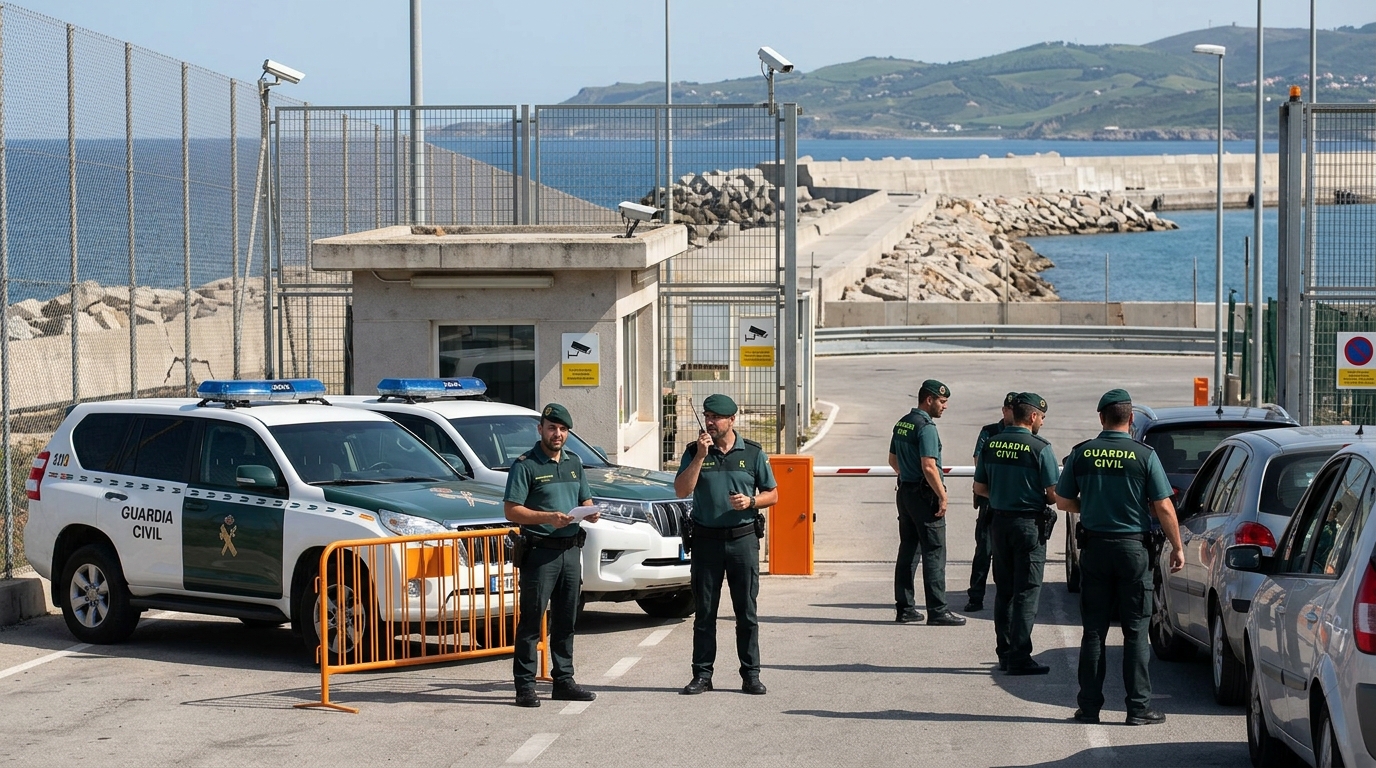
Spain Ceuta migrant crossings Attacks ‘Selfish’ Response of Some EU Countries to Ceuta Migrant Crossings
Political tensions within the European Union have reached a boiling point following an unprecedented humanitarian emergency at the border of Spain’s North African enclave, Ceuta. Spanish Prime Minister Pedro Sánchez has launched a fierce critique against several fellow EU member states, labeling their reactions to the crisis as “selfish, polarizing, and unlawful”.
The sharp diplomatic friction erupted after tens of thousands of migrants crossed from Morocco into the Spanish territory within a 24-hour window, triggering deep regional divisions over migration policy, border security, and the core principles of European solidarity.
The Anatomy of the Ceuta Border Crisis
The crisis unfolded when tens of thousands of individuals crossed the border into Ceuta, creating one of the most intense unauthorized migration influxes in the bloc’s history. Tragically, the chaotic rush resulted in dozens of fatalities as people attempted dangerous paths across breakwaters and barriers.
While Spain Ceuta migrant crossings authorities, working in coordination with Morocco, managed to stabilize the situation swiftly—with the vast majority of crossers returning or being processed within days—the political fallout across Europe was immediate. Rather than rallying around Madrid in a show of unified support, several European governments openly criticized Spain’s migration policies. Some right-wing administrations even demanded temporary measures such as suspending Spain from the Schengen free-movement zone or implementing stringent security checks on arrivals from the Iberian nation.
Sánchez Fires Back at Brussels and European Counterparts
In a strongly worded letter addressed to top European Union leadership—including European Commission President Ursula von der Leyen and European Council President António Costa—Sánchez did not mince words. He argued that certain European states used the crisis as an opportunity to “attack” Spain, driven by political opportunism, prejudice, and misinformation rather than factual reality.
Accusations of Unlawful Posturing: Sánchez emphasized that calls to restrict Spain’s participation in the Schengen area violate European law and betray the foundational legal duties of mutual assistance.
Defending Border Integrity: Citing data from Frontex, the Spanish administration pointed out that Spain maintains one of the least porous external borders in the EU compared to other Mediterranean nations.
Rejection of Partisan Demagoguery: Senior Spanish officials rebuffed attempts by neighboring leaders to link the sudden surge to domestic immigration amnesties, clarifying that those who crossed illegally had no legal avenue for regularization.
Cracks in the Bloc’s Solidarity Framework
The fierce debate over Ceuta exposes a wider, chronic fracture line within the European Union regarding how to handle external border pressures. While a competing letter signed by over twenty European leaders expressed “serious concern” over the security of the border and demanded an urgent meeting of interior ministers, Madrid views these maneuvers as a lack of genuine solidarity.
Spain’s interior ministry echoed the prime minister’s sentiment, describing the unsympathetic reactions from specific capitals as an exhibition of bad faith. Spain Ceuta migrant crossings As emergency political response teams convene in Brussels to evaluate the situation, the friction over Ceuta serves as a stark reminder of how fragile consensus remains on Europe’s migration architecture.
Also Read:
How Chinese Warehouse Robots Are Reshaping the UK Retail Sector
Frequently Asked Questions (FAQs)
What sparked the recent crisis in Ceuta?
A sudden, massive influx of tens of thousands of people crossed from Morocco into the Spanish enclave of Ceuta within a single day, overwhelming local capacities and prompting immediate security concerns.
Why is Prime Minister Pedro Sánchez criticizing other EU countries?
Sánchez criticized several EU nations for what he termed a “selfish and illegal” reaction, which included calls to suspend Spain from the Schengen zone instead of offering solidarity.
What action did Italy and other EU states take?
Some nations, including Italy, announced supplementary security checks on non-EU passengers arriving from Spain, while a group of 22 EU leaders formally expressed serious concern over the security breach.
Have the individuals who crossed into Ceuta remained in the territory?
According to EU and Spanish officials, the vast majority of those who entered have already returned or been sent back, with none managing to cross onward into mainland Europe.
Conclusion
The diplomatic fallout from the Ceuta border events highlights the deep challenges facing the European Union’s collective security and migration policies. When faced with localized humanitarian emergencies, the temptation for member states to retreat into national isolationism threatens the union’s foundational values. As Spain pushes for urgent, coordinated ministerial discussions, the bloc must determine whether it can forge a unified, humane, and cooperative strategy or remain divided by political self-interest.
1 thought on “Spain Blasts ‘Selfish’ EU Response to Ceuta Migrant Border Crossings”