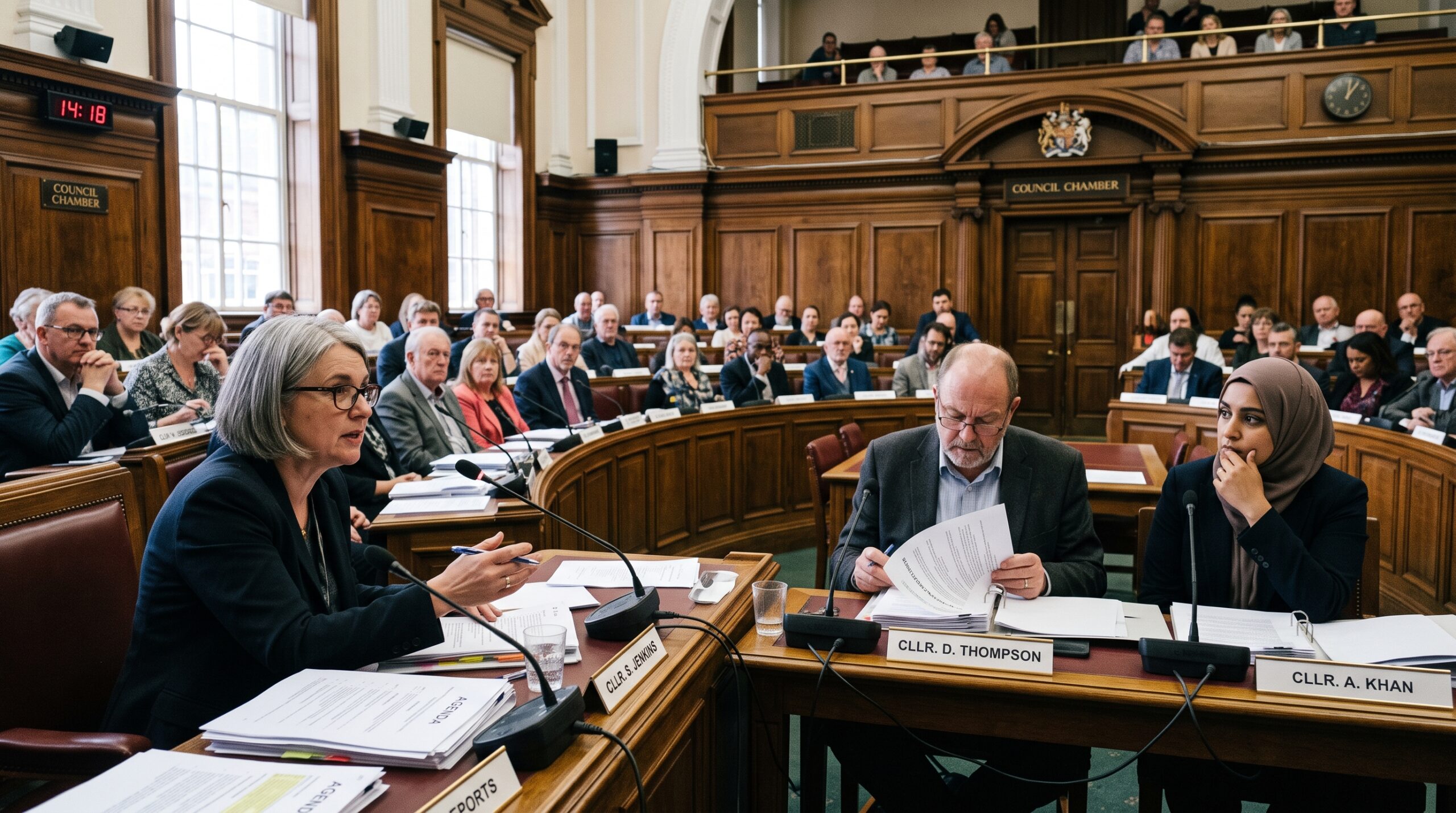
In a contentious political move that has sparked widespread debate across local government and environmental circles, South Tyneside Council has officially voted to scrap its borough-wide climate emergency declaration. The decision, backed firmly by the authority’s Reform UK councillors during a full council meeting, marks a dramatic shift in municipal policy away from binding carbon-reduction deadlines and toward a renewed emphasis on day-to-day public services and local economic pressures.
Also Read:
Suffolk Pumpkin Farmer Andrew King Faces Devastating Harvest Losses Due to Extreme Drought
The motion to rescind the original 2019 pledge—which was initially brought forward by the Green Party to establish aggressive carbon-neutral targets—was tabled by cabinet member for housing Steve Smith. Winning approval by a decisive margin of 35 votes to 11, the resolution mandates council officers to review all pre-existing policies, spending commitments, and strategic frameworks that were originally introduced under the banner of the climate emergency.
Prioritizing Core Services Over Non-Statutory Targets
Defending the controversial policy change, supporters argued that local authorities must realign their restricted financial resources to address immediate socioeconomic hardships facing residents. The core argument rests on the premise that municipal governance should concentrate heavily on frontline service delivery, infrastructure maintenance, and fiscal responsibility during periods of economic strain.
The successful motion explicitly outlined the administration’s philosophical stance, noting:
“Core services, economic growth and the cost of living should take priority over climate targets that are not statutory requirements.” — South Tyneside Council Motion
Under the updated approach, South Tyneside Council maintains that environmental improvements can still be achieved practically through regular highways maintenance, waste management efficiency, and local modernization without being tethered to rigid, overarching climate declarations that lack statutory backing.
Opposition Backlash and Environmental Concerns
The decision has faced swift and severe pushback from opposition groups, rival councillors, and regional environmental campaigners. Critics warned that rescinding the formal declaration sends a negative message regarding the borough’s long-term environmental responsibilities and weakens accountability structures designed to monitor local emissions.
According to reports from the Local Democracy Reporting Service, opposition members questioned the actual financial savings and practical advantages of abandoning the pledge, arguing it creates a “false choice” between fiscal responsibility and environmental stewardship. While the original 2019 framework aligned all council strategies toward achieving systemic carbon reduction, opponents fear that dismantling these frameworks will stall momentum on local green initiatives and sustainable infrastructure development.
Frequently Asked Questions (FAQs)
What did South Tyneside Council vote to do?
South Tyneside Council voted by 35 to 11 to rescind its 2019 climate emergency declaration, directing officers to review all associated policies, spending commitments, and targets.
Who brought forward the motion to scrap the declaration?
The motion was introduced by cabinet member for housing Steve Smith and was backed by the council’s Reform UK members.
Why did the council decide to rescind the pledge?
Proponents argued that local authorities must prioritize core public services, economic growth, and cost-of-living pressures over non-statutory climate targets.
What was the reaction from opposition groups?
Rival councillors and environmental campaigners strongly opposed the move, warning that it undermines local climate action and questions whether any real financial benefit will materialize.
Conclusion
The decision by South Tyneside Council to discard its climate emergency pledge highlights a growing ideological flashpoint within British local governance. As authorities across the nation grapple with tight budgetary constraints and shifting political landscapes, the tension between statutory service delivery and environmental commitments remains palpable. Whether this policy pivot sets a precedent for other regional councils or remains a localized debate will depend heavily on the long-term impacts of the council’s upcoming policy and spending reviews.
1 thought on “South Tyneside Council Scraps Climate Emergency Declaration in Historic Vote”