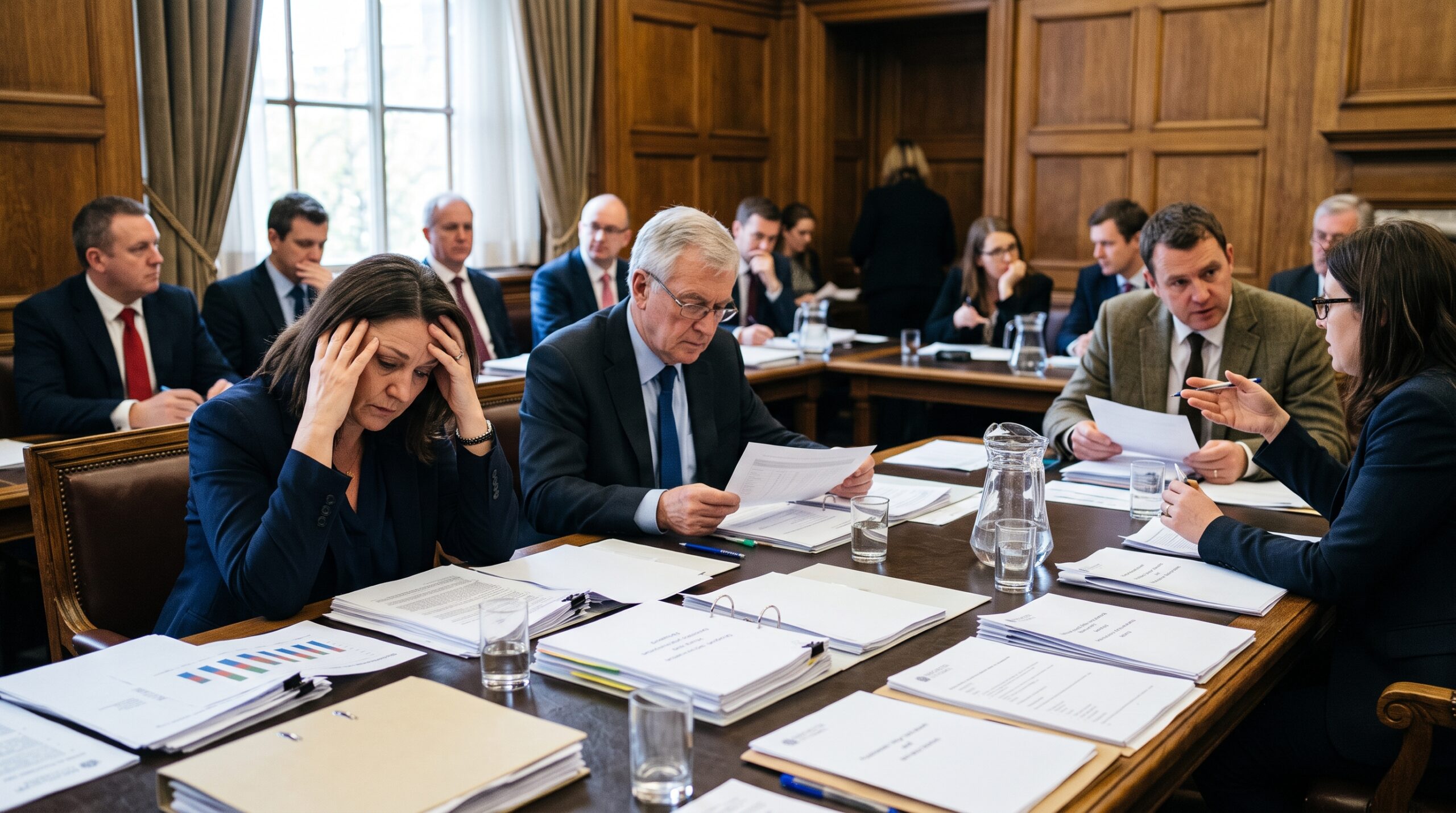
Government raises concerns over council finances
The stability of local public services across the United Kingdom is facing critical scrutiny. As institutional budget deficits expand and statutory obligations multiply, the Government raises concerns over council finances amid warnings of a looming multi-billion-pound funding shortfall.
Local authorities are grappling with an unsustainable mismatch between everyday revenue streams and escalating community needs. With numerous councils increasingly reliant on exceptional financial support packages just to balance their books, policymakers and municipal leaders are urgently re-evaluating the structures underpinning local government economics.
Anatomy of the Local Funding Crisis
The underlying drivers of the current municipal crunch are complex, deep-rooted, and heavily tied to demographic shifts. For years, local government bodies have warned that traditional funding models are ill-equipped to handle modern cost pressures.
Key structural challenges straining authority balance sheets include:
Surging Social Care Costs: Both adult and children’s social care continue to absorb massive portions of council budgets, driven by an aging population and rising placement complexities.
Special Educational Needs (SEND): Surging demand for home-to-school transport and statutory support for children with special educational needs has left high-needs blocks severely strained.
Temporary Accommodation Pressures: Unprecedented homelessness rates have forced councils to spend heavily on emergency temporary housing, eating into operational reserves.
Heavy Reliance on Council Tax: With central grants failing to keep pace with inflation, local authorities face intense pressure to maximize annual council tax hikes, shifting the financial burden onto local households.
The Role of Exceptional Financial Support
As the financial viability of individual authorities hangs in the balance, central intervention has increasingly relied on mechanisms such as Exceptional Financial Support (EFS). Rather than traditional fiscal devolution or permanent grant restructuring, numerous councils have turned to these short-term fixes to avoid effective bankruptcy declarations.
However, financial watchdogs and local government networks note significant drawbacks. EFS often saddles struggling authorities with additional long-term debt and forces asset sales, effectively deferring structural crises rather than resolving them. Consequently, when the Government raises concerns over council finances, it mirrors widespread industry fears that short-term loans are merely treating symptoms while the core disease remains uncured.
Pathways to Sustainable Reform
Addressing the systemic vulnerabilities in local public administration requires looking beyond annual budget band-aids. Municipal leaders and sector analysts are pressing for comprehensive long-term reforms, which include:
Fairer Funding Distribution: Ensuring that resource allocations accurately reflect rural and urban demand pressures without disproportionately penalizing county regions.
Multi-Year Settlements: Providing predictable, multi-year financial frameworks so local leaders can plan capital investments and social care programs with confidence.
Fiscal Devolution: Empowering local authorities with greater autonomy over localized revenue generation, reducing absolute dependence on central government grants and council tax caps.
Frequently Asked Questions (FAQs)
Why does the Government raises concerns over council finances at this time?
Concerns are driven by mounting structural deficits, a projected multi-billion-pound funding gap, and an unprecedented reliance on emergency government financial support by dozens of local authorities.
What are the primary cost drivers for local councils?
The fastest-growing expenses stem from adult and children’s social care, statutory duties surrounding temporary accommodation for the homeless, and rising costs for special educational needs transport.
What is Exceptional Financial Support (EFS)?
EFS is a mechanism allowing cash-strapped councils to capitalize asset sales or borrow funds to balance their statutory budgets, though critics warn it builds up unsustainable long-term debt.
How are councils attempting to bridge their budget gaps?
Most local authorities are implementing maximum council tax increases, cutting discretionary spending on parks and libraries, and drawing down remaining financial reserves.
Also Read:
Conclusion
The reality that the Government raises concerns over council finances underscores a pivotal moment for public administration in the UK. Without fundamental, long-term structural reform to how vital services like social care and SEND provisions are funded, local authorities will continue to teeter on the edge of financial insolvency. Restoring stability will require true collaboration between central government and municipal leaders to protect everyday community services.
1 thought on “Government raises concerns over council finances”