The Economic Impact of Extreme Weather on U.S. Infrastructure: Costs, Vulnerabilities, and Solutions
Introduction
As the frequency and intensity of natural disasters accelerate across the United States, the country’s aging civil and digital infrastructure faces an unprecedented stress test. Understanding the economic impact of extreme weather on US infrastructure is critical as the nation grapples with a continuous, multi-billion-dollar economic drain.
Infrastructure forms the backbone of the American economy, encompassing everything from roads, bridges, and public transit systems to electrical grids, water treatment plants, and telecommunications networks. When these systems fail under the weight of severe climate events, the ripple effects are felt nationwide, imposing staggering costs on taxpayers, businesses, and local governments.
Also read:
Personal Finance Rising Interest Rates: How to Protect Your Wealth
The Scale of the Financial Burden: Trillion-Dollar Realities
The financial toll of extreme weather on the United States has reached historic proportions. According to tracking data from agencies like the National Oceanic and Atmospheric Administration (NOAA) and climate analysis organizations, the U.S. has sustained hundreds of weather and climate disasters since 1980 where individual damages reached or exceeded $1 billion.
Cumulative Costs: The cumulative financial damage from these billion-dollar disasters alone has surpassed $3.2 trillion, a figure that continues to climb with every passing season.
Frequency Surge: While the historical annual average stood at roughly 9 billion-dollar events per year, the most recent five-year averages reflect a dramatic spike, surging to over 20 distinct catastrophic events annually.
Indirect Losses: Official tallies often capture only direct physical damages—such as destroyed buildings, cracked asphalt, and flooded substations. They frequently undercount indirect costs like long-term business interruptions, lost productivity, and diminished property values.
High-Risk Sectors: Where Infrastructure Breaks Down
Different types of extreme weather target distinct components of the American landscape, exposing critical vulnerabilities in public and private assets:
1. Transportation Networks (Roads, Bridges, and Rails)
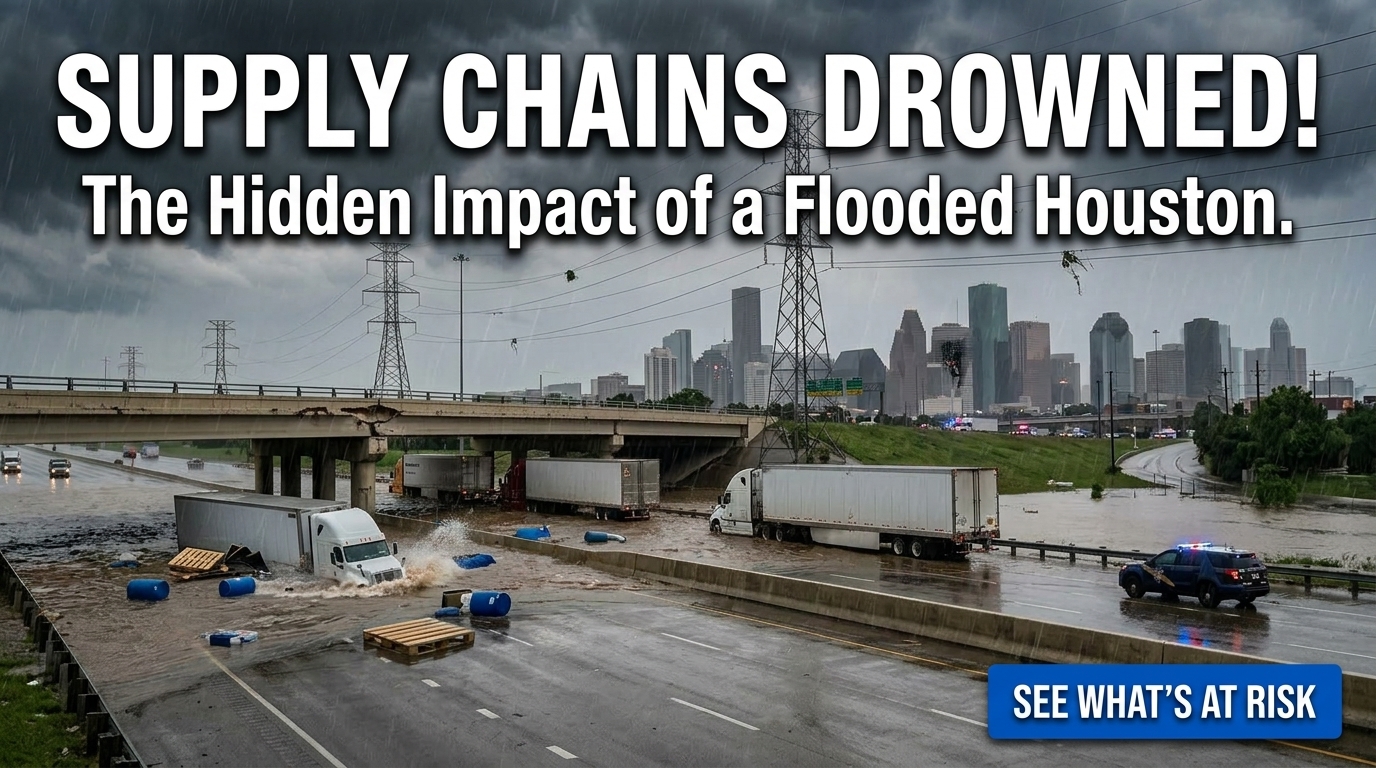
Inland flooding, heavy precipitation, and storm surges wash out roads, undermine bridge foundations, and warp railway tracks. When transportation arteries are severed, regional supply chains freeze. Commuters face severe delays, and freight transport costs escalate, driving up prices for consumer goods.
2. The Electric Power Grid
High winds, ice storms, and wildfires frequently devastate transmission lines and local distribution networks. Prolonged blackouts paralyze entire communities, shutting down hospitals, gas stations, and water filtration systems. Extreme heatwaves also strain electrical grids due to surging air conditioning demands, increasing the risk of rolling brownouts or total systemic failure.
3. Telecommunications and Data Centers
Terrestrial cables, utility poles, and coastal cable landing stations are increasingly vulnerable to severe storms, high winds, and coastal erosion. A widespread communications outage can cripple emergency dispatch services, block data center access, and hinder overall disaster response efforts.
Cascading Economic Effects and Supply Chain Disruptions
The economic impact of extreme weather extends far beyond the immediate disaster zone. Modern supply chains are deeply interconnected; a weather-induced shutdown of a major shipping port or a critical interstate bridge in one region can halt manufacturing lines hundreds of miles away.
Local Government Budget Crunches: Municipalities bear the brunt of emergency response, debris removal, and rapid repair costs. Repeated disasters can exhaust municipal tax bases and strain emergency reserve funds, forcing local leaders to choose between raising taxes or cutting essential public services.
Insurance Market Instability: As climate risks escalate, property and infrastructure insurance premiums are skyrocketing. In high-risk coastal and wildfire-prone areas, private insurers are pulling back entirely, leaving property owners and local governments with fewer financial safety nets.
Mitigation, Policy, and the Push for Resilient Infrastructure
Addressing this mounting crisis requires a strategic pivot from reactive disaster recovery to proactive pre-disaster mitigation. Federal legislation, including historical funding packages for infrastructure and community resilience, has sought to channel investments into upgrading vulnerable grids, fortifying seawalls, and modernizing building codes.
However, policy shifts and funding allocations fluctuate, underscoring the ongoing tension between short-term fiscal constraints and long-term economic protection. Experts emphasize that every dollar invested in resilient infrastructure—such as elevating substations, clearing defensible spaces around wildfire zones, and utilizing advanced weather forecasting tools—saves multiple dollars in future repair costs.
Frequently Asked Questions (FAQs)
1. Why are extreme weather costs increasing so rapidly in the U.S.?
The escalation is driven by a combination of factors: a higher frequency of climate-driven extreme weather events, population growth in vulnerable coastal and wildland-urban interface zones, and aging infrastructure that was built decades ago under different climate assumptions.
2. What infrastructure sectors suffer the most financial damage?
Transportation networks (roads, bridges, and ports), electric power grids, and municipal water and wastewater systems typically account for the highest aggregate repair and replacement costs following major disasters.
3. How do pre-disaster mitigation programs help the economy?
Pre-disaster programs fund projects like flood barriers, grid hardening, and retrofitting. Studies consistently show that these investments significantly reduce post-disaster recovery time, protect local economies, and save billions in long-term federal and state expenditures.
Conclusion
The economic threat posed by extreme weather to U.S. infrastructure is one of the defining challenges of the 21st century. As damages continue to breach historic thresholds, treating natural disasters as isolated emergencies is no longer viable. Protecting the nation’s economic future requires sustained, large-scale investments in modern, climate-resilient infrastructure, updated building standards, and forward-thinking policy frameworks that anticipate tomorrow’s weather realities today.