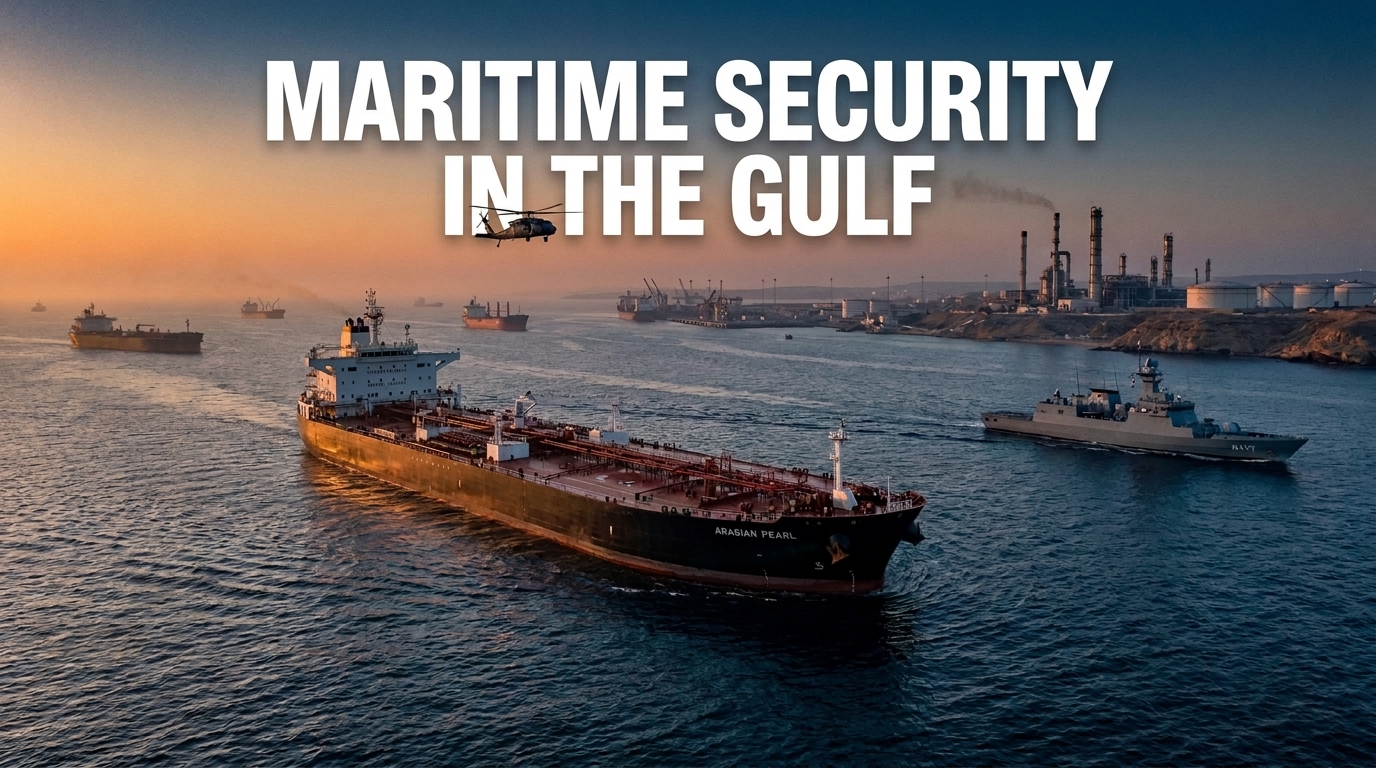
Middle East Tensions and the Red Sea Oil Crisis: How Regional Conflicts Drive Global Energy Prices
The geopolitical landscape of the Middle East has entered one of its most volatile phases in decades. Ongoing U.S.-backed military confrontations involving Iran, allied regional factions, and Yemen-based Houthi movements have severely disrupted critical global maritime chokepoints. With vital trade veins like the Strait of Hormuz effectively restricted and operations across the Red Sea under constant threat, Saudi oil exports and global supply chains face unprecedented pressure. These developments have sent shockwaves through international financial markets, driving benchmark crude and retail fuel prices to staggering new highs.
Also read:
Federal Court Blocks Plan to Slash FEMA Disaster Relief Workforce by Half
The Geopolitical Trigger and the Chokepoint Crisis
The roots of the current energy crunch trace back to major military escalations involving U.S. and Israeli operations targeting Iranian infrastructure. In retaliation, Iranian forces and aligned networks moved to restrict commercial shipping through the Strait of Hormuz—a crucial maritime corridor that historically accommodated roughly a fifth of the world’s petroleum trade.
With the Persian Gulf route heavily constrained, major producers like Saudi Arabia attempted to bypass the bottleneck by routing crude through pipelines toward Red Sea terminals, such as Yanbu, to maintain exports. However, the strategic expansion of Yemen’s Houthi movement has directly undermined this workaround. By seizing strategic coastal positions, including the port city of Mocha and areas near the Bab el-Mandeb Strait, Houthi forces have established an effective maritime embargo targeting Saudi export infrastructure. This dual-chokepoint squeeze has cornered global energy markets, neutralizing traditional contingency pathways.
Impact on Saudi Oil Exports and Production
As the world’s leading crude exporter, Saudi Arabia holds an outsized influence on global supply stability. The sustained security threats along the kingdom’s western maritime routes have forced state energy firms to drastically scale back output. With storage capacities hitting critical thresholds and international tanker operators refusing to risk high-tariff war zones without exorbitant insurance premiums, Saudi crude production plummeted to yearly lows.
Export volumes have experienced severe contractions, cutting off millions of barrels per day from international refiners. The inability to guarantee safe passage through either the Persian Gulf or the Red Sea means that even when oil is pumped, getting it to global consumer markets in Asia, Europe, and the Americas has become an astronomical logistical challenge.
Global Economic Fallout and Surging Fuel Costs
The constriction of Middle East energy supplies has triggered an immediate reaction across global commodities markets. Brent crude prices surged past the psychological threshold of $100 a barrel, reflecting deep-seated market anxiety over prolonged deficits. Beyond crude benchmarks, refined product markets have absorbed an even harsher blow. Freight rates for Very Large Crude Carriers (VLCCs) traveling alternative, lengthier paths—such as navigating around the African continent instead of utilizing the Suez Canal—have skyrocketed to record-breaking daily sums.
For everyday consumers and industrial sectors worldwide, these maritime bottlenecks translate directly into painful inflation. Surging diesel and gasoline margins are rippling through supply chains, inflating the cost of manufacturing, agriculture, and global logistics. Governments are scrambling to find alternative strategic reserves and diplomatic safeguards, but short-term remedies remain scarce while the security paradigm in the region stays fractured.
Frequently Asked Questions
Why are the Red Sea shipping lanes crucial for global oil?
The Red Sea, accessed via the Bab el-Mandeb Strait, connects the Indian Ocean to the Mediterranean Sea through the Suez Canal. It serves as a primary artery for international commerce and a vital alternative route for Middle Eastern oil and liquefied natural gas exports when the Persian Gulf is restricted.
How have Houthi actions affected Saudi Arabia’s oil capacity?
Houthi naval blockades and drone/missile strikes targeting Saudi energy installations and Red Sea ports have forced Saudi Aramco to cut production significantly because domestic storage options are limited and safe export transit has become heavily restricted.
What role does Iran play in these maritime disruptions?
Western governments and intelligence assessments characterize the Houthi movement and other regional armed factions as part of an Iran-backed network exerting coordinated pressure on international shipping lanes to counter U.S. and allied strategic objectives. Tehran denies direct operational control over the group’s specific tactical choices.
How are global fuel prices responding to the crisis?
International benchmarks like Brent crude have crossed $100 per barrel, while tanker freight costs and charter rates have reached historic highs due to war-risk premiums and the necessity of sailing longer, alternative routes around Africa.
Conclusion
The ongoing convergence of U.S.-Iran hostilities and Houthi maritime campaigns has exposed the fragile underbelly of global energy security. As long as key chokepoints like the Strait of Hormuz and the Bab el-Mandeb remain contested or restricted, international markets will remain vulnerable to severe price volatility. Resolving this crisis requires not only stabilizing regional security dynamics but also restoring unhindered commercial navigation to safeguard the global economic recovery.