
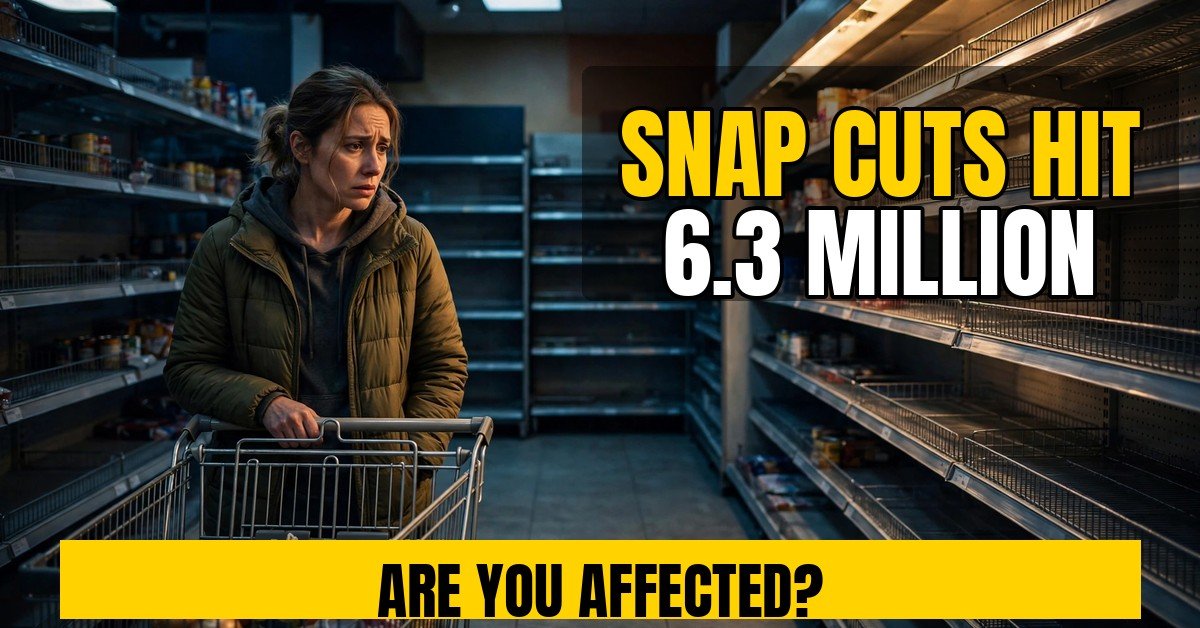
The SNAP cut 6.3 million plan is now on the table. The Trump administration moved on Tuesday to cut millions more Americans from the nation’s largest food assistance programme, with a proposed rule from the US Department of Agriculture that would end automatic eligibility for food stamps for households receiving cash aid under the Temporary Assistance for Needy Families programme. The agency’s own analysis says nearly 18% of SNAP recipients, about 6.3 million people, would lose their benefits.
It is the latest in a series of cuts that have already shrunk the programme sharply. More than 5.5 million people have already lost SNAP aid since President Donald Trump enacted cuts in his July 2025 tax law, bringing enrolment down to about 36 million people, according to USDA data. The SNAP cut 6.3 million proposal would push that number lower still, and it comes just as food banks across the country report record demand.
SNAP cut 6.3 million: who loses, and why
The rule targets a mechanism called categorical eligibility. Right now, households receiving TANF benefits qualify for SNAP without needing to meet the federal income thresholds. TANF eligibility varies by state but is generally 130% to 200% of the federal poverty level. SNAP eligibility, by contrast, is generally set at 130% of the poverty level. The proposed change would end that automatic link, forcing TANF households to pass the stricter SNAP income test on their own.
That sounds technical, but the effect is simple: families who earn a little too much for SNAP but still qualify for TANF would lose their food stamps. The USDA estimates that the SNAP cut 6.3 million proposal would strip benefits from roughly one in five recipients. The rule says the changes would make SNAP eligibility more standardised and “preserve benefits for the truly needy”. Critics say the real effect will be to push working families off the programme entirely.
The timing adds to the pain. Nearly 42 million Americans faced a potential lapse in SNAP benefits during the second-longest government shutdown in US history, when funding for the programme ran short and food banks filled the gap. Volunteers at mobile food distributions, like the one at Cedar Creek High School in Texas on November 1, handed out groceries to families who had no idea when their benefits would return. The SNAP cut 6.3 million rule lands on top of that uncertainty, and food charities say they are already stretched thin.
The 5.5 million already gone
The scale of the cuts so far is striking. More than 5.5 million people have lost SNAP benefits since the July 2025 tax law took effect, cutting enrolment to about 36 million. The decline is partly due to the law itself, and partly due to states struggling to put the administrative changes into practice and absorb significant new costs from the law. Some states have fallen behind on processing applications, and eligible families have been caught in the backlog.
That is the backdrop for the new proposal. The SNAP cut 6.3 million plan would not just cut the rolls further. It would also change who the programme reaches. TANF is a cash assistance programme for low-income families with children, and the households that receive it are among the poorest in the country. Cutting the automatic link between the two programmes hits the same families twice, once on cash aid and once on food.
Democrats have reacted with fury. Rep. Angie Craig of Minnesota, the ranking member of the House Agriculture Committee, called the rule “heartless and cruel” in a statement. “The proposed rule would make it harder to meet basic needs and roll back efforts to streamline federal programs,” she said. The committee oversees SNAP, and Craig’s response signals that the fight over the rule will be fought in Congress as well as in the courts.
1.8 million children and the school meals link
The knock-on effects go beyond food stamps. Because SNAP enrolment also confers eligibility for other food aid programmes, the USDA estimates that 1.8 million children would also lose eligibility for free school meals under the proposed rule. That is the detail that has drawn the sharpest criticism, because it reaches children who had nothing to do with the eligibility rules in the first place.
For a family with two children, losing free school meals can mean hundreds of dollars a month in extra food costs. Schools say they will have to chase families for paperwork and payments, and food banks say they will see more children at their doors. The SNAP cut 6.3 million proposal, in other words, does not stop at the grocery store. It follows children into the classroom.
The administration’s argument is that the programme has grown too loose, and that tightening eligibility will focus help on those who need it most. The rule’s supporters say categorical eligibility lets states enrol people who would not otherwise qualify, and that the change restores a clearer, fairer standard. That is the same argument the administration made when it pushed the July 2025 cuts through Congress, and it is one that Democrats reject outright.
What happens next
The public will have 30 days to comment on the proposed rule, and the comment period is likely to draw a flood of responses from food banks, state officials, anti-hunger groups and the families affected. The SNAP cut 6.3 million plan is a proposal, not a final rule, and the administration can change it in response to comments. But the direction of travel is clear, and the rule is likely to face legal challenges as well.
The proposal also lands in a week when Washington is already in turmoil, with the House voting to end the impeachment effort against Pete Hegseth. For millions of families, though, the food stamp fight is the one that matters most. A decision made in Washington this week could decide whether 6.3 million people can afford groceries next year.
Frequently asked questions
What is the SNAP cut 6.3 million proposal?
It is a proposed USDA rule that would end automatic SNAP eligibility for households receiving TANF cash aid. The SNAP cut 6.3 million plan would force those households to meet the stricter SNAP income test, and the agency estimates about 6.3 million people, nearly 18% of recipients, would lose benefits.
How does categorical eligibility work right now?
Households receiving TANF benefits currently qualify for SNAP without meeting federal income thresholds. TANF eligibility is generally 130% to 200% of the federal poverty level, while SNAP eligibility is generally 130%. The proposal would end that automatic link.
How many people have already lost SNAP under Trump?
More than 5.5 million people have lost SNAP benefits since the July 2025 tax law, bringing enrolment to about 36 million. The decline is partly due to the law and partly due to states struggling to implement the changes and absorb new costs.
Would children lose free school meals too?
Yes. Because SNAP enrolment confers eligibility for other food aid, the USDA estimates 1.8 million children would also lose eligibility for free school meals under the proposed rule.
Can the public have a say on the rule?
Yes. The public will have 30 days to comment on the proposed rule. After the comment period, the USDA can revise the rule before making it final, and the proposal is likely to face legal challenges as well.
Sources and Resources
Read the original Reuters reporting via The Business Standard: Trump administration moves to cut food stamps for 6.3m people.
Conclusion
The SNAP cut 6.3 million proposal is the biggest food assistance cut of the year, and it would hit the families who can least afford it. With 5.5 million people already off the programme, 1.8 million children at risk of losing school meals, and food banks under strain, the stakes could hardly be higher. The 30-day comment period is now the battleground, and the outcome will decide what millions of Americans can put on the table.