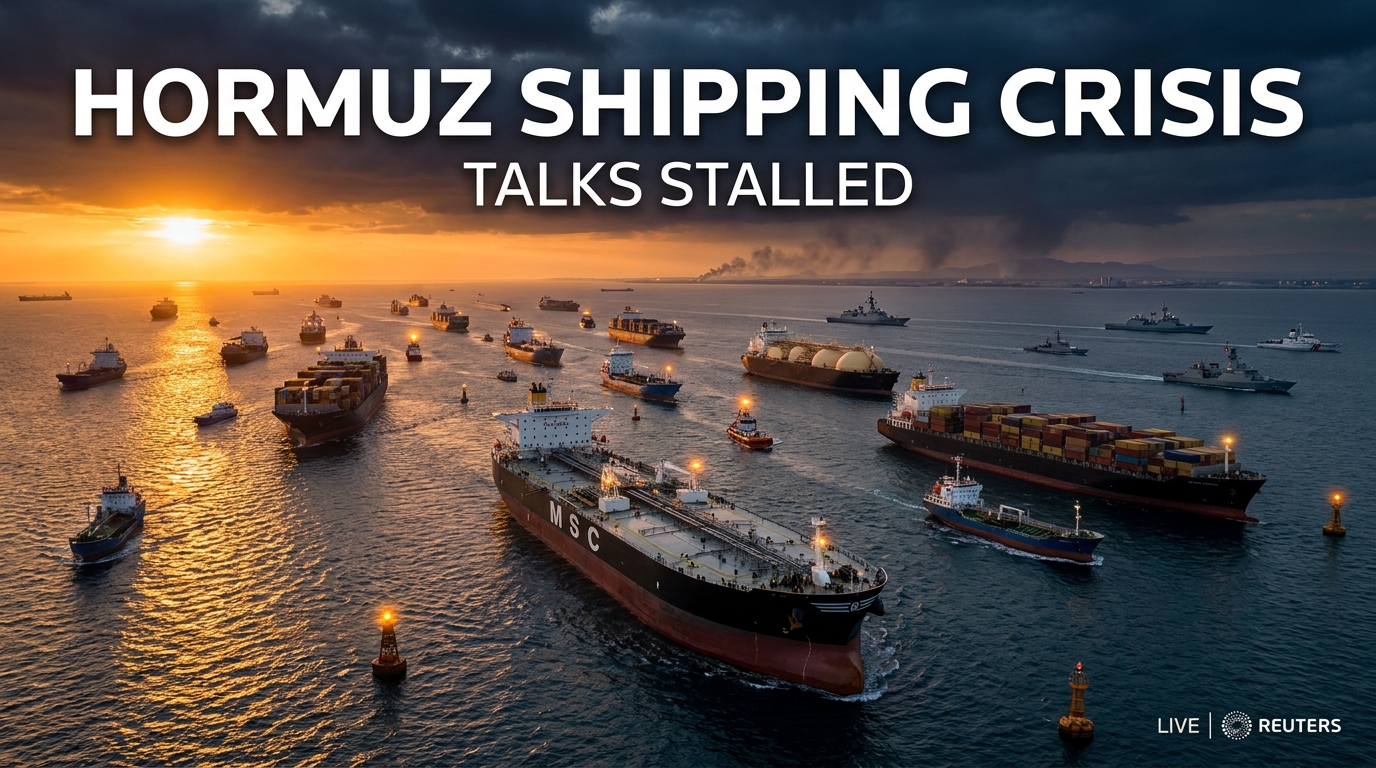
The Strait of Hormuz crisis has pushed regional tensions in the Middle East to a critical tipping point following stalled diplomatic talks and escalating disruptions across vital global shipping lanes. As a vital maritime chokepoint through which a significant portion of the world’s petroleum and liquefied natural gas (LNG) flows, any obstruction in this narrow waterway sends immediate shockwaves through international energy markets and global supply chains (Al Jazeera, 2026).
Also read:
Pennsylvania Measles Outbreak Escalates: Cases, Fatalities & Public Health Warnings
Recent diplomatic efforts, including mediated discussions led by regional partners such as Oman to establish temporary transit lanes and ease restrictions, have hit persistent roadblocks (Egypt Oil & Gas, 2026). With critical infrastructure under pressure and multiple stakeholders holding divergent positions on security guarantees and waterway management, the path toward a comprehensive de-escalation remains fraught with uncertainty.
The Anatomy of the Shipping Lane Crisis
The Strait of Hormuz serves as an irreplaceable artery for global trade. Connecting the Persian Gulf with the Gulf of Oman and the Arabian Sea, it dictates the flow of nearly a third of all seaborne crude oil and vital gas supplies (Al Jazeera, 2026). When political and military friction escalates in the region, the vulnerability of this narrow passage is laid bare.
The current Strait of Hormuz crisis stems from a complex web of geopolitical friction, stalled nuclear and security talks, and subsequent maritime countermeasures. As negotiations between major regional actors and international stakeholders stalled, commercial transit through the chokepoint experienced unprecedented declines. Major container lines and energy shippers were forced to re-evaluate risk parameters, reroute vessels, or suspend transits entirely, leading to massive backlogs at key regional ports and compounding inflationary pressures on global energy costs (Carraglobe, 2026).
Key Impacts on Global Trade and Logistics
Energy Supply Constriction: The restriction of tanker movements out of the Persian Gulf has forced global markets to absorb sudden supply shocks, pushing up Brent crude and LNG spot prices.
Rerouting and Extended Transit Times: Vessels traditionally relying on the Gulf have faced prolonged journeys, shifting traffic patterns toward alternative corridors and increasing overall operational expenditures for logistics providers.
Insurance and Risk Premiums: Marine insurance rates for hulls operating near high-risk zones experienced steep spikes, forcing governments and maritime authorities to implement extraordinary risk mitigation frameworks.
Seafarer Welfare and Port Congestion: Thousands of mariners and hundreds of vessels faced prolonged delays or operational standstills at various points during the peak of the disruptions, prompting intervention from international bodies like the International Maritime Organization (IMO).
Diplomatic Stall and the Search for Pathways Forward
Resolving the multifaceted Strait of Hormuz crisis requires delicate multilateral diplomacy. Recent initiatives—such as proposed ministerial meetings in Salalah facilitated by Omani mediation—aim to bridge the gap between Tehran and neighboring Gulf Cooperation Council (GCC) states (Egypt Oil & Gas, 2026). However, deep-seated regional mistrust, security concerns regarding naval escorts, and disagreements over the imposition of transit fees or vessel screening mechanisms continue to stall formal agreements.
International organizations have repeatedly emphasized that sustainable maritime security cannot be achieved through unilateral restrictions or prolonged military posturing. Instead, experts advocate for structured frameworks modeled after successful cooperative transit agreements used in other sensitive global straits, ensuring freedom of navigation under international law without imposing punitive financial or operational burdens on commercial mariners (UN News, 2026).
Frequently Asked Questions
Why is the Strait of Hormuz so critical to the global economy? The strait is the world’s most vital oil transit chokepoint, carrying a massive percentage of the globe’s daily petroleum and liquefied natural gas consumption. Because there are limited viable alternative land pipelines, any disruption directly impacts global energy prices and manufacturing supply chains.
What caused the recent intensification of shipping lane disruptions? The escalation is driven by a combination of stalled diplomatic negotiations, heightened geopolitical friction, and subsequent security measures adopted by various state and non-state actors in the region, which together prompted commercial carriers to suspend or restrict regular transits.
Are there alternative routes for ships trying to bypass the conflict zone? While some land-based pipelines and alternative maritime detours exist, they possess limited capacity compared to the high-volume throughput of the Strait of Hormuz. Consequently, rerouting often results in severe port congestion, higher shipping container shortages, and inflated freight rates worldwide.
What role are international bodies playing in resolving the crisis? Organizations such as the International Maritime Organization (IMO) and the United Nations are actively monitoring seafarer safety, advocating for de-mining and security guarantees, and supporting diplomatic backchannels to help restart stalled negotiations between the affected nations.
Conclusion
The ongoing turmoil surrounding the Strait of Hormuz crisis highlights the fragility of interconnected global trade in the face of localized geopolitical conflicts. While diplomatic channels remain open and regional mediators continue to push for temporary transit solutions, true economic stability will only return when comprehensive, cooperative security frameworks are established. Until then, international shippers, energy markets, and policymakers must remain agile, closely monitoring diplomatic updates and maintaining robust contingency plans to weather ongoing maritime uncertainties.
Nearly 2,000 Ships Stalled In Strait Of Hormuz Amid Tensions This video provides a visual overview of how the shipping blockades and maritime tensions in the Strait of Hormuz have stranded thousands of vessels and upended global supply chains.