
Post-Storm Recovery and Coastal Impact: Navigating Resilience in California and the Gulf
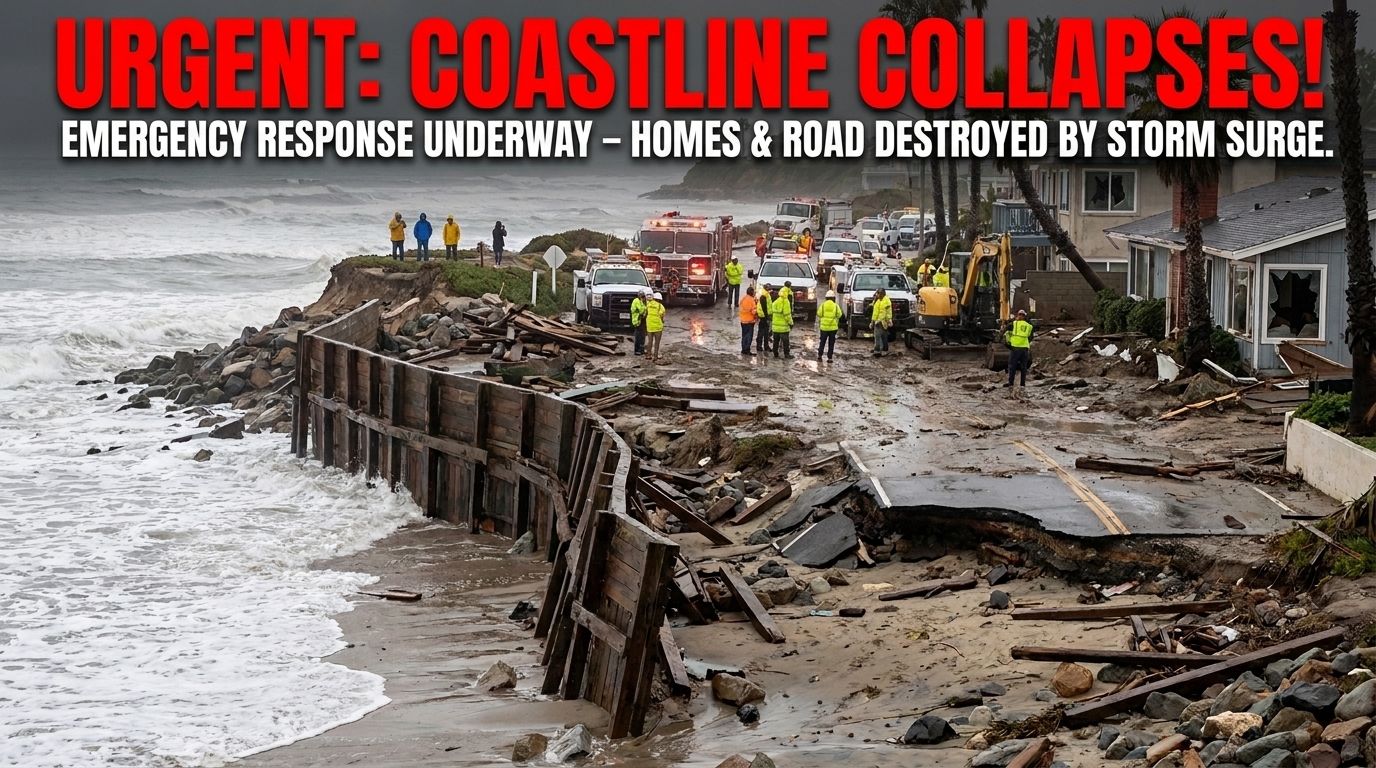
Post-storm recovery and coastal impact are the defining worries for communities across parts of California and the United States Gulf region right now, after a run of punishing high-wave events, severe storm surges, and heavy surf. Seasonal marine volatility is nothing new for these coastlines — but the latest weather phenomena tested the structural integrity of local infrastructure in a way that forced swift emergency declarations, community displacement, and massive multi-agency cleanup responses.
Also read:
18th BRICS Summit 2026 New Delhi: Trade and Geopolitics
Anatomy of Recent Coastal Disasters
The recent battering of vulnerable coastal corridors showed off the unique destructive power of long-period ocean swells and tropical storm systems. In Southern California, powerful swells born from distant tropical activity swept ashore during the late-summer period. No direct landfalls — yet the wave energy slammed straight into residential and commercial beachfronts.
From Malibu and Long Beach down to Dana Point, the impacts were severe and localized. Iconic stretches of coastline suffered aggressive cliff erosion, compromised seawalls, and roadway collapses that ruptured critical utilities. In Dana Point’s Capistrano Bay District, several multi-million-dollar properties took heavy structural damage — local officials red-tagged homes and ordered emergency evacuations. And the Gulf Coast, accustomed to managing persistent tropical threats, faced parallel vulnerabilities. The bigger picture is national: aging coastal defenses meeting increasingly unpredictable marine conditions.
The Multi-Phase Recovery Process
Getting a storm-battered coastline back to normal isn’t one job. It’s a carefully choreographed sequence: emergency response, structural evaluation, then long-term rebuilding.
Phase 1: Emergency Stabilization and Safety
Right after a high-surge event, the priority is human safety and infrastructural triage. Local emergency management teams, urban search-and-rescue units, and local law enforcement move fast on:
- Evacuating High-Risk Zones: People in structurally compromised homes — or areas prone to secondary land slippage — get moved to temporary shelters.
- Utility Shutoffs and Containment: Utility providers cap ruptured gas lines, secure downed power lines, and isolate contaminated water systems, quickly.
- Debris Clearance: Heavy machinery rolls in to clear sand, boulders, and wreckage choking vital arteries like the Pacific Coast Highway.
Phase 2: Damage Assessment and Red-Tagging
Building inspectors and structural engineers go property by property, evaluating everything exposed to wave hammering and undermining erosion. Each structure gets classified by safety tier:
- Green Tags: Safe for immediate re-entry, minor repairs only.
- Yellow Tags: Restricted use — localized structural concerns.
- Red Tags: Uninhabitable and structurally dangerous. These often need extensive foundational rebuilding, or even managed retreat.
Phase 3: Mitigation and Long-Term Reinforcement
Once the immediate danger passes, municipalities face the expensive, complicated work of rebuilding. Standard recovery isn’t just replacing what was lost anymore — it’s climate-adaptive engineering. Communities are investing in reinforced sea barriers, artificial dune nourishment, elevated utility infrastructure, and strict zoning updates to handle rising sea levels and punishing wave action.
Frequently Asked Questions
What causes severe coastal damage even when a storm does not make landfall?
Distant tropical storms and hurricanes generate massive, long-period ocean swells that travel thousands of miles across the open ocean. When those high-energy waves hit shallow coastal shelves, they stack into towering breakers — enough for severe coastal erosion, flooding, and structural destruction, all without the storm ever touching land.
What does a “red-tagged” home mean for property owners?
A red tag means the building took severe structural damage and is unsafe for occupancy. Nobody can live in or use the property until professional engineers certify that the hazards — compromised foundations, undermined footings, that sort of thing — are fully remediated.
How are local governments funding large-scale coastal repairs?
It’s usually a patchwork: municipal emergency reserves, state disaster relief funds, and federal assistance programs like the Federal Emergency Management Agency (FEMA), which reimburses local governments for emergency protective measures and permanent infrastructure repairs.
What long-term solutions are available for erosion-prone coastal homes?
Homeowners and city planners are looking at engineered seawalls, sand replenishment projects, living shorelines built with natural vegetation reefs — and in the worst cases, strategic property buyouts or managed retreat.
For California and the Gulf, the road back demands resilient infrastructure, responsive municipal governance, and proactive adaptation strategies. As weather patterns keep challenging traditional waterfront living, these communities are the front line of modern coastal management — balancing economic vitality against environmental realities.
Clean-up underway after hurricanes slam Southern California and the Gulf
This video provides a visual overview of the coordinated cleanup efforts and the scale of damage left behind by recent heavy coastal surges.
1 thought on “Post-Storm Recovery & Coastal Impact: California and Gulf Resilience”