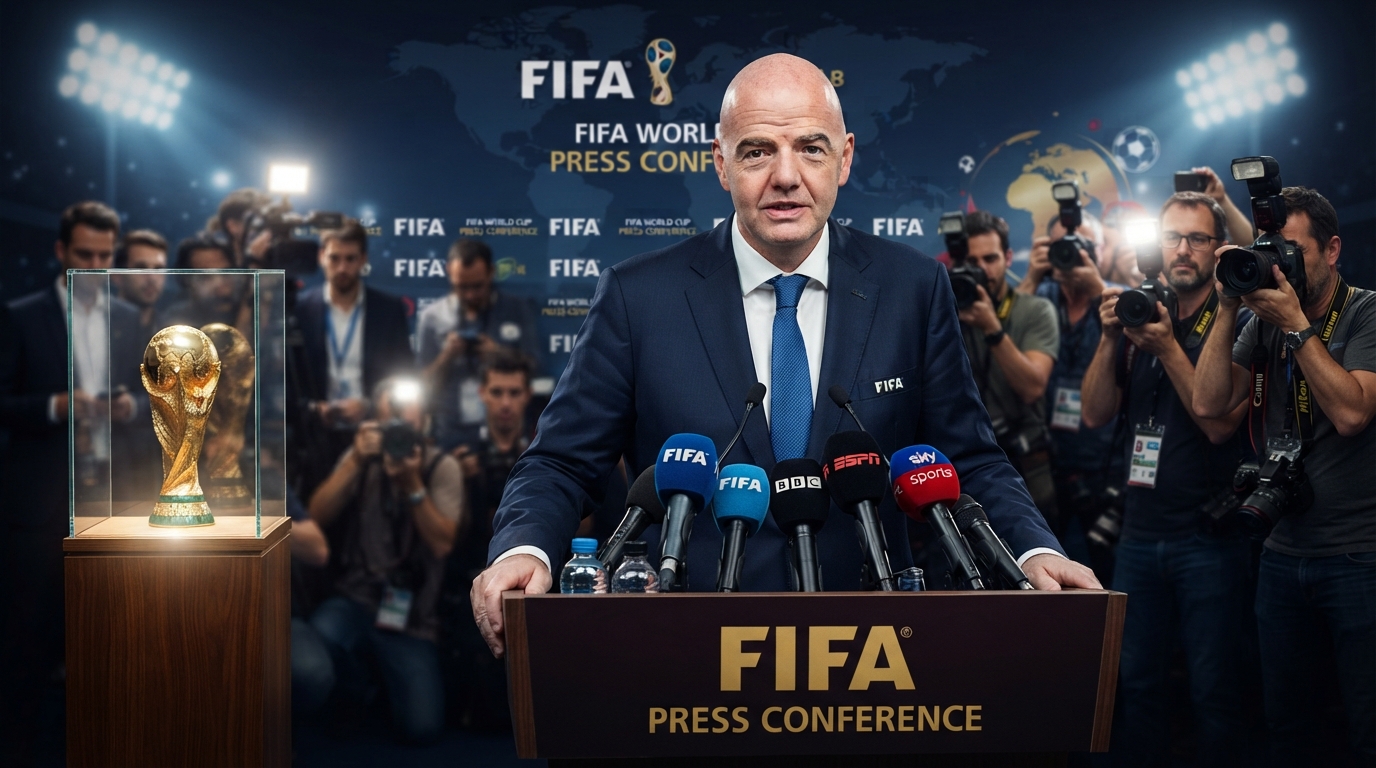
FIFA President Gianni Infantino Scraps World Cup Investment Plan After Global Backlash
FIFA scraps World Cup investment plan after President Gianni Infantino officially abandoned the governing body’s controversial proposal to sell minority stakes in FIFA’s biggest competitions. The decision follows widespread opposition from football organizations, national associations, clubs, and supporters around the world. The reversal marks a significant moment in international football governance and raises important questions about the future commercial direction of FIFA.
Also read:
Ex-Finance Worker and Crew Win Epic Record-Breaking Row Around Britain
The proposal had aimed to create a new commercial entity that would allow private investors to purchase a minority share in FIFA’s future revenues generated by tournaments such as the FIFA World Cup, FIFA Women’s World Cup, and FIFA Club World Cup. While FIFA argued that the initiative would generate billions of dollars for football development worldwide, opponents feared it would commercialize the sport beyond acceptable limits and undermine FIFA’s independence.
After days of growing pressure and threats of boycotts from major football organizations, Infantino confirmed that the proposal would no longer move forward.
Why Did FIFA Want to Sell Stakes?
FIFA introduced the proposal as part of a broader financial strategy designed to increase investment in global football.
Under the plan:
- A new commercial company would manage certain commercial rights.
- Minority ownership would be offered to private investors.
- FIFA expected to raise billions of dollars.
- The additional funding would be distributed among its 211 member associations.
- Football development projects around the world would receive increased financial support.
According to FIFA, the organization would still retain full sporting and regulatory control over competitions.
However, critics argued that once investors become financially involved, commercial pressure could eventually influence decisions surrounding tournament expansion, scheduling, broadcasting, and hosting rights.
Massive Opposition Across World Football
The proposal immediately triggered widespread criticism.
Several football organizations expressed concern that football’s most prestigious competitions should never become investment assets.
Among the strongest critics was UEFA, which warned that selling ownership interests linked to the FIFA World Cup crossed a line that football authorities should never cross. UEFA insisted that football belongs to players, supporters, clubs, and national associations—not private investment firms.
Other continental confederations also raised concerns regarding:
- Governance transparency
- Lack of consultation
- Commercial influence
- Long-term integrity of international football
The backlash quickly spread across football communities, former players, analysts, and supporters worldwide.
Threat of a Boycott Increased Pressure
One of the biggest turning points came when UEFA signaled that its member associations could boycott future FIFA competitions if the proposal moved ahead.
Such a move would have placed future World Cups and international tournaments in serious jeopardy.
European nations represent many of football’s strongest teams, largest television audiences, and biggest commercial markets. Losing UEFA participation would have severely damaged the value and credibility of FIFA competitions.
The growing possibility of a boycott dramatically increased pressure on FIFA leadership.
Gianni Infantino Withdraws the Proposal
Following days of intense criticism, Gianni Infantino officially announced that the proposal would not proceed.
He acknowledged that although the project had supporters, it had created divisions that were no longer in football’s best interests.
Infantino stated that FIFA’s goal remains to unite world football rather than divide it.
The governing body now intends to work with member associations and football stakeholders to identify alternative methods for increasing investment in global football development.
What Was FIFA’s Original Goal?
Despite the controversy, FIFA maintained that the proposal had positive intentions.
Its objectives included:
- Increasing financial support for smaller football associations
- Improving infrastructure
- Developing youth football
- Funding women’s football
- Expanding coaching and referee programs
- Investing in emerging football nations
Supporters of the proposal argued that private investment could accelerate football development without reducing FIFA’s regulatory authority.
Nevertheless, many stakeholders believed the potential risks outweighed the financial benefits.
Why Were Critics Concerned?
Several important concerns dominated the debate.
1. Commercialization
Many believed the World Cup should remain a sporting competition rather than an investment product.
2. Investor Influence
Even without voting rights, investors could indirectly pressure FIFA to maximize profits through larger tournaments or additional competitions.
3. Governance
Critics questioned how such a significant proposal advanced without broader consultation.
4. Football Integrity
Many feared commercial interests could eventually outweigh sporting values.
5. Future Independence
Once commercial ownership begins, opponents argued it becomes difficult to prevent further privatization later.
Impact on FIFA’s Leadership
The failed proposal has created fresh questions regarding Gianni Infantino’s leadership.
Although he remains FIFA President, political analysts suggest the controversy has weakened his position ahead of future elections.
Some football executives have publicly questioned FIFA’s decision-making process, while others have called for governance reforms and greater transparency.
Whether this controversy has lasting political consequences remains uncertain.
Reaction From Fans
Football supporters across social media largely welcomed FIFA’s decision to abandon the proposal.
Common reactions included:
- Relief that the World Cup would remain under FIFA ownership.
- Support for UEFA’s firm stance.
- Calls for improved governance.
- Demands for greater transparency in future FIFA decisions.
Many fans argued that football traditions should never be sacrificed for financial gain.
What Happens Next?
With the proposal withdrawn, FIFA is expected to:
- Continue discussions with member associations.
- Explore alternative funding models.
- Maintain direct ownership of major competitions.
- Focus on football development without outside equity investment.
Industry experts believe FIFA may pursue new sponsorships, broadcasting agreements, and commercial partnerships instead of selling ownership stakes.
What This Means for World Football
The controversy demonstrates how sensitive football governance has become.
While the sport continues generating record revenues worldwide, many stakeholders believe preserving the integrity of competitions is more important than maximizing profits.
The World Cup remains one of the most valuable sporting events on Earth, and many believe its ownership should remain entirely within football’s governing institutions.
Although FIFA sought additional resources to fund global development, the overwhelming opposition showed that many organizations believe football’s future should remain independent of private equity ownership.
The decision also highlights the importance of consultation and transparency when major reforms affect the global game.
FAQs
1. Why did FIFA cancel the investment proposal?
FIFA withdrew the proposal after widespread opposition from football organizations, including UEFA, clubs, national associations, and fans.
2. What was FIFA trying to sell?
The proposal involved selling minority stakes in a new commercial company linked to revenues from FIFA’s major competitions.
3. Would investors have controlled the World Cup?
FIFA said investors would not control sporting decisions, but critics feared financial influence could grow over time.
4. Which tournaments were affected?
The proposal covered major FIFA competitions, including the FIFA World Cup, Women’s World Cup, and Club World Cup.
5. Why did UEFA oppose the plan?
UEFA argued that football’s biggest competitions should never become investment assets and criticized the lack of consultation.
6. Did FIFA officially cancel the proposal?
Yes. Gianni Infantino confirmed that the proposal would not proceed.
7. Will FIFA look for other funding options?
Yes. FIFA is expected to explore alternative ways to finance football development.
8. Could the proposal return in the future?
There is no official indication that FIFA plans to reintroduce the proposal.
9. How did fans react?
Many supporters welcomed the decision and praised efforts to protect football’s integrity.
10. Does this affect upcoming World Cups?
No. The withdrawal means FIFA’s existing ownership structure remains unchanged for future tournaments.
Conclusion
Gianni Infantino’s decision to abandon FIFA’s proposed investment plan marks one of the most significant governance reversals in recent football history. Although the proposal promised billions in new funding for football development, overwhelming opposition from governing bodies, national associations, clubs, and supporters made it politically unsustainable. By withdrawing the plan, FIFA has preserved full ownership of its flagship competitions while opening the door to alternative funding strategies. The episode serves as a reminder that football’s greatest tournaments are viewed not merely as commercial assets but as global sporting institutions that many believe should remain independent and protected for future generations.
Disclaimer
This article is based on publicly available reports and official statements at the time of publication. Developments may change as FIFA or other football governing bodies release additional information.