
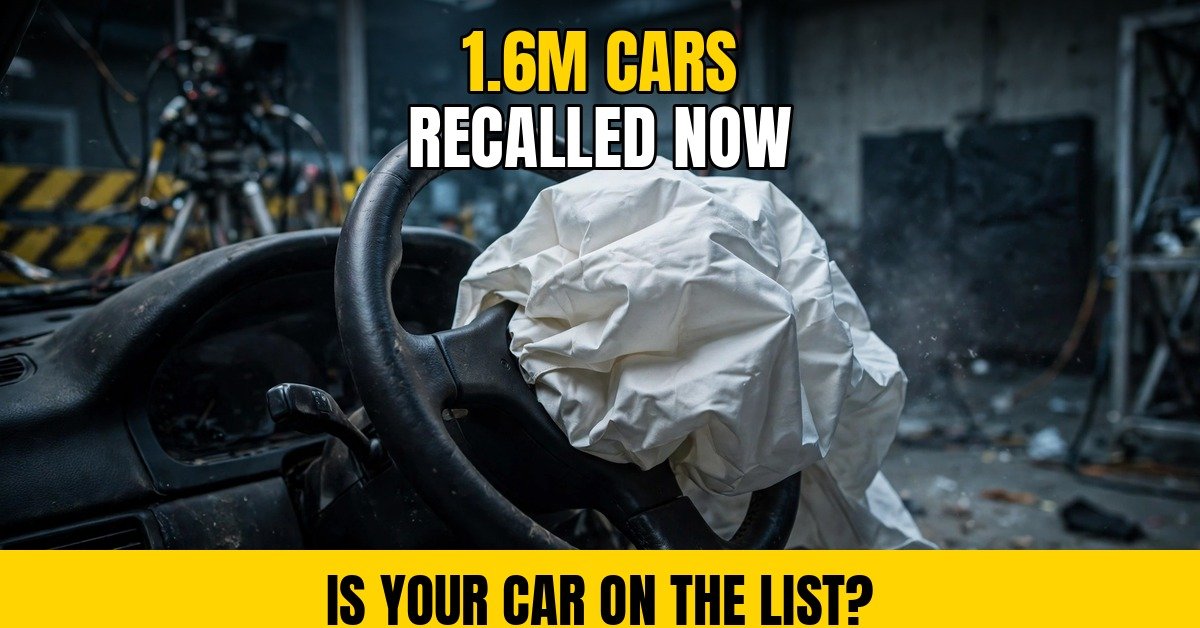
Honda and Toyota said on Friday they are recalling about 1.6 million cars, trucks, and SUVs over a risk that Takata airbag inflators could rupture — and the Honda Toyota recall is the latest chapter in the biggest auto safety crisis in American history.
Honda is recalling 810,592 older vehicles in the United States. Toyota is recalling about 790,000 vehicles worldwide, including 314,000 in the United States. The automakers will replace the airbag inflators in the recalled vehicles.
Both companies said there were no injuries or crashes tied to the vehicles being recalled, and there have been no airbag inflator ruptures in these cars. The recall is preventive — but the history behind it is deadly.
A Deadly History
There have been at least 28 deaths in the United States and more than 400 injuries stemming from defective Takata airbag inflators since 2009. The problem prompted the largest auto recall in U.S. history, and the Honda Toyota recall is a reminder that it is still not over.
All of those deaths involved airbag inflators without a drying agent. When those inflators degrade, they can explode instead of inflating normally, unleashing metal shrapnel inside the car and killing or injuring drivers and other vehicle occupants. At least 20 of the deaths were in Honda vehicles.
Over the past decade, two dozen major automakers have recalled more than 100 million vehicles fitted with Takata airbag inflators worldwide, including about 67 million vehicles in the United States.
The vehicles in the current recalls are different in one key way: their airbag inflators contain a moisture-absorbing material, unlike the millions of vehicles recalled previously. That material was supposed to stop the propellant from degrading. Long-term monitoring now suggests it may not be enough.
Why the Honda Toyota Recall Is Happening Now
The National Highway Traffic Safety Administration said analysis and inflator degradation simulation models conducted by independent testing groups allowed the automakers to act ahead of potential risks.
“Honda and Toyota saw early evidence of degradation risk in certain of their vehicles and are currently conducting proactive recalls of vehicles,” NHTSA said late Friday, adding that other automakers continue to conduct inflator analysis and testing.
Honda said long-term monitoring and analysis revealed potential propellant degradation in certain inflators within specific geographic regions. Toyota warned that degraded propellant could cause the inflator to rupture if the airbag deploys and cause serious injuries.
In other words, the companies caught the problem early this time — before anyone was hurt. That is the difference between this Honda Toyota recall and the tragedies of the past decade, when the danger only became clear after people died.
Which Vehicles Are Affected?
The Honda recall covers some 2013 Honda Accord, 2012-2013 Honda Civic, 2012-2013 Honda CR-V, 2013 Acura ILX, and 2013 Acura RDX vehicles. The Honda recall applies to vehicles originally sold or registered in 14 states or territories known for high temperature, humidity, and large temperature fluctuations.
Those states and territories are Alabama, California, Florida, Georgia, Hawaii, Louisiana, Mississippi, South Carolina, Texas, Puerto Rico, U.S. Virgin Islands, Northern Mariana Islands, Guam, and American Samoa — the hot, humid places where Takata propellant degrades fastest.
The Toyota recall includes the 2002-2010 Lexus SC430, 2011 IS250, 2017 GX460, 2003-2008 Toyota Corolla, 2005-2006 Tundra, 2005-2007 Sequoia, and 2016-2017 4Runner. Toyota did not specify in which U.S. states the recall applies.
Toyota said it expects the replacement inflators will be ready by early 2027. That wait will frustrate owners, but the company says there have been no ruptures in the affected vehicles so far.
What Owners Should Do
If you own one of the affected models, the first step is to check whether your vehicle is included. Owners can look up their vehicle identification number on the NHTSA website or contact their dealer. Honda and Toyota will notify owners directly, and the replacement of the airbag inflators will be free.
The Honda Toyota recall is a test of whether the auto industry has learned the lessons of the Takata disaster. The original crisis dragged on for years while people kept dying. This time, the companies moved before the body count started.
But the scale of the problem is still staggering. More than 100 million vehicles worldwide have been recalled over Takata inflators, and the defective inflators are still out there, in cars still on the road. NHTSA says other automakers are still testing their inflators, and more recalls may follow.
Sources and Resources
Frequently Asked Questions
What is the Honda Toyota recall about?
The Honda Toyota recall covers about 1.6 million vehicles over a risk that Takata airbag inflators could rupture if the airbag deploys. Honda is recalling 810,592 vehicles in the U.S. and Toyota about 790,000 worldwide, including 314,000 in the U.S.
Which Honda models are in the Honda Toyota recall?
The Honda recall covers some 2013 Honda Accord, 2012-2013 Honda Civic, 2012-2013 Honda CR-V, 2013 Acura ILX, and 2013 Acura RDX vehicles sold or registered in 14 hot, humid states and territories.
Which Toyota models are in the Honda Toyota recall?
The Toyota recall includes the 2002-2010 Lexus SC430, 2011 IS250, 2017 GX460, 2003-2008 Toyota Corolla, 2005-2006 Tundra, 2005-2007 Sequoia, and 2016-2017 4Runner.
Has anyone been hurt by these airbags?
No. Honda and Toyota said there were no injuries or crashes tied to the vehicles being recalled, and no inflator ruptures. The recall is preventive, based on early evidence of propellant degradation.
How many people have died from Takata airbags overall?
At least 28 people have died in the United States and more than 400 have been injured from defective Takata airbag inflators since 2009, in what became the largest auto recall in U.S. history.
Conclusion
The Honda Toyota recall pulls another 1.6 million vehicles into the Takata airbag crisis — a crisis that has already killed at least 28 people in the United States and forced recalls of more than 100 million vehicles worldwide. This time, the companies caught the risk early, before anyone was hurt. Owners of the affected Hondas, Toyotas, and Lexuses should check their VIN and get the free fix.