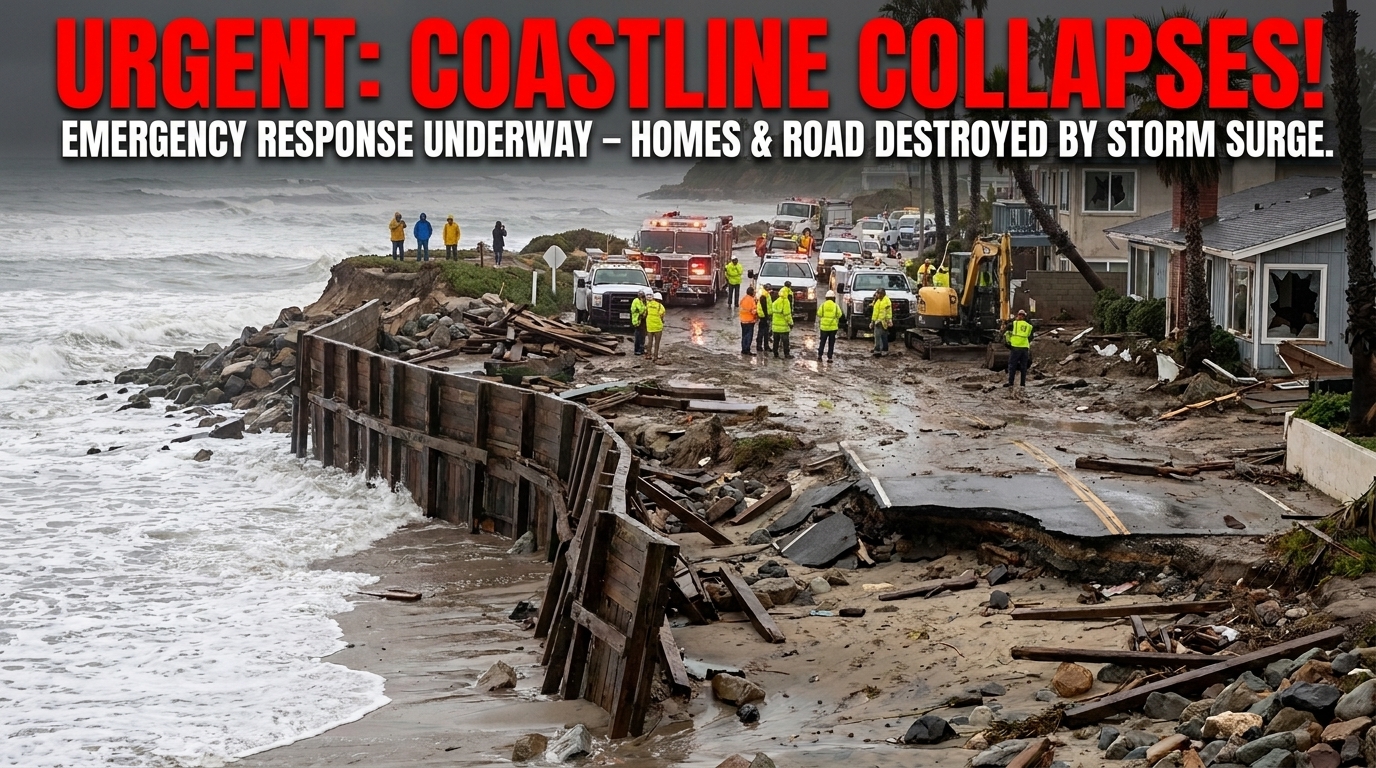
Post-Storm Recovery and Coastal Impact: Navigating Resilience in California and the Gulf
Post-storm recovery and coastal impact have become defining concerns for communities across parts of California and the United States Gulf region following a series of punishing high-wave events, severe storm surges, and heavy surf. While these regions are no strangers to seasonal marine volatility, recent weather phenomena have tested the structural integrity of local infrastructure, prompting swift emergency declarations, community displacement, and massive multi-agency cleanup responses.
Also read:
18th BRICS Summit 2026 New Delhi: Trade and Geopolitics
Anatomy of Recent Coastal Disasters
The recent battering experienced by vulnerable coastal corridors highlighted the unique destructive power of long-period ocean swells and tropical storm systems. In Southern California, powerful swells originating from distant tropical activity swept ashore during the late-summer period, bypassing direct landfalls but unleashing tremendous wave energy directly onto residential and commercial beachfronts.
Communities from Malibu and Long Beach down to Dana Point experienced severe localized impacts. Iconic stretches of coastline saw aggressive cliff erosion, compromised seawalls, and roadway collapses that ruptured critical utilities. In Dana Point’s Capistrano Bay District, several multi-million-dollar properties sustained heavy structural damage, leading local officials to red-tag homes and mandate emergency evacuations. Simultaneously, parallel vulnerabilities across Gulf Coast sectors—accustomed to managing persistent tropical threats—underscore a broader national challenge: aging coastal defenses meeting increasingly unpredictable marine conditions.
The Multi-Phase Recovery Process
Restoring normalcy to a storm-battered coastline requires a carefully choreographed sequence of emergency response, structural evaluation, and long-term rebuilding.
Phase 1: Emergency Stabilization and Safety
Immediately following a high-surge event, the primary objective is human safety and infrastructural triage. Local emergency management teams, urban search-and-rescue units, and local law enforcement prioritize:
Evacuating High-Risk Zones: Residents in structurally compromised homes or areas prone to secondary land slippage are moved to temporary shelters.
Utility Shutoffs and Containment: Swift action by utility providers to cap ruptured gas lines, secure downed power lines, and isolate contaminated water systems.
Debris Clearance: Heavy machinery deployment to clear sand, boulders, and wreckage blocking vital arteries like the Pacific Coast Highway.
Phase 2: Damage Assessment and Red-Tagging
Building inspectors and structural engineers systematically evaluate properties exposed to wave hammering and undermining erosion. Structures are classified by safety tier:
Green Tags: Safe for immediate re-entry with minor repairs.
Yellow Tags: Restricted use due to localized structural concerns.
Red Tags: Uninhabited and structurally dangerous, often requiring extensive foundational rebuilding or managed retreat considerations.
Phase 3: Mitigation and Long-Term Reinforcement
Once immediate threats subside, municipalities face the complex financial and ecological task of rebuilding. Standard recovery no longer simply means replacing what was lost; it involves climate-adaptive engineering. Communities are investing in reinforced sea barriers, artificial dune nourishment, elevated utility infrastructure, and strict zoning updates to manage rising sea levels and intense wave action.
Frequently Asked Questions
What causes severe coastal damage even when a storm does not make landfall?
Distant tropical storms and hurricanes generate massive, long-period ocean swells that can travel thousands of miles across the open ocean. When these high-energy waves reach shallow coastal shelves, they stack up into towering breakers capable of severe coastal erosion, flooding, and structural destruction without the system ever touching land.
What does a “red-tagged” home mean for property owners?
A red tag indicates that a building has sustained severe structural damage and is deemed unsafe for occupancy. Residents cannot live in or utilize the property until professional engineers certify that the structural hazards—such as compromised foundations or undermined footings—have been fully remediated.
How are local governments funding large-scale coastal repairs?
Recovery efforts are typically funded through a combination of municipal emergency reserves, state disaster relief funds, and federal assistance programs like the Federal Emergency Management Agency (FEMA), which helps reimburse local governments for emergency protective measures and permanent infrastructure repairs.
What long-term solutions are available for erosion-prone coastal homes?
Homeowners and city planners are exploring various mitigation strategies, including engineered seawalls, sand replenishment projects, living shorelines using natural vegetation reefs, and in severe cases, strategic property buyouts or managed retreat.
The path to recovery for California and Gulf coastal regions demands resilient infrastructure, responsive municipal governance, and proactive adaptation strategies. As weather patterns continue to challenge traditional waterfront living, these communities serve as the front line for modern coastal management, balancing economic vitality with environmental realities.
Clean-up underway after hurricanes slam Southern California and the Gulf
This video provides a visual overview of the coordinated cleanup efforts and the scale of damage left behind by recent heavy coastal surges.