
Navigating Extremes: NOAA Weather Outlook Highlights Lingering Plains Heat and Tropical Moisture Relief for the West and Texas
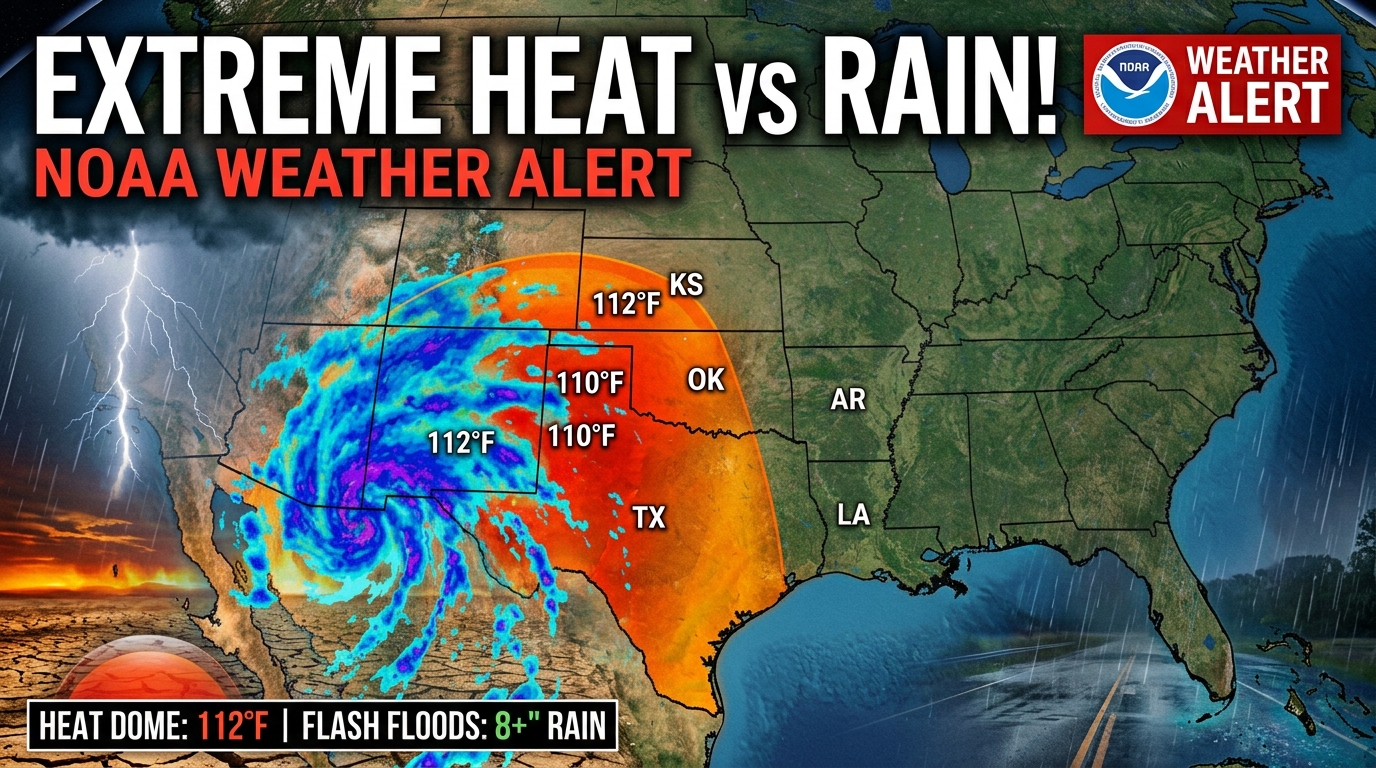
Recent updates from the National Oceanic and Atmospheric Administration (NOAA) and the Weather Prediction Center (WPC) paint a striking contrast across the United States. While dangerous, lingering heat keeps baking the central and southern U.S. plains, a vital shift is underway elsewhere — tropical weather systems and monsoonal moisture are streaming into parts of the drought-stricken West and Texas. The result is a complicated mix: heavy rainfall, localized flood risks, and some genuinely critical long-term drought relief.
The Persistence of Plains Heat and Rapid Onset Drought Risks
The heart of the country is still bearing the brunt of stubborn mid-level high-pressure ridges. NOAA’s climate and hazards outlooks are clear: the central and southern Great Plains, along with parts of the South, remain locked in high heat and dry conditions.
- Temperature Anomalies: Forecasters say the odds of above-normal temperatures are highest across the southern tier, with certain parts of the Southern Plains facing a strongly warm stretch.
- Rapid Onset Drought (ROD): Below-normal past rainfall, low soil moisture, and high evaporation have raised the risk of Rapid Onset Drought. Regions from the Central and Southern Plains into the Mississippi, Ohio, and Tennessee valleys are being watched closely for flash drought signals.
- Agricultural and Infrastructure Stress: Prolonged dry spells and high heat index values keep squeezing regional agriculture, pushing fire danger up and straining local water supplies.
Tropical Systems and Moisture Deliver Relief to Texas and the West
In stark contrast to the baked plains, tropical activity and eastern Pacific moisture surges are channeling much-needed water into historically dry landscapes.
- Texas Downpours: Parts of Texas have seen heavy, drought-easing rainfall from tropical remnants sweeping across the region. The moisture is invaluable against long-term deficits — though it carries a moderate risk of excessive rainfall and flash flooding.
- Western US Moisture Surges: Trough activity near the West Coast, plus tropical moisture surging in from the Gulf of California, is driving heavier precipitation across the Four Corners region, the Great Basin, and the Desert Southwest.
- Mitigating Long-Term Deficits: Western drought runs deep — one rainy spell won’t erase it. But any moisture helps replenish depleted soils and gives parched ecosystems a badly needed breather.
Region by region, it breaks down like this: southern and western Texas are getting tropical system remnants — heavy rain, some localized flooding, real drought relief. The Desert Southwest and West are catching Gulf of California monsoonal flow — more precipitation, recovering soil moisture. And the Central and Southern Plains stay under mid-level high pressure ridges — lingering heat, and the rapid drought risk climbs.
Frequently Asked Questions
What is causing the lingering heat in the central and southern U.S. plains?
Persistent mid-level high-pressure systems — ridges that trap warm air over the region, limit cloud cover, and block the cooling rains.
How do tropical systems help drought-impacted areas?
Tropical systems and their remnants carry huge loads of atmospheric moisture. They can dump several inches of rain in a short window, lifting surface water, filling reservoirs, and dampening dry soils. Flash flooding is the flip side.
What is Rapid Onset Drought (ROD)?
Rapid Onset Drought is a sudden, severe deepening of drought — driven by high temperatures, strong winds, low humidity, and an abrupt lack of rainfall that drains soil moisture fast.
Where can I monitor real-time updates for these weather events?
Federal agencies track live radar, maps, and local warnings continuously. Check the NOAA Official Website, the Climate Prediction Center, and the U.S. Drought Monitor.
Dealing with both extreme heat and sudden tropical flooding takes constant vigilance — from local communities, farmers, and emergency teams. As NOAA forecasters track how these patterns evolve, staying plugged into official channels is the best defense against shifting climate hazards.
Official News Links & Trust Resources:
1 thought on “Navigating Extremes: NOAA Weather Outlook Highlights Lingering Plains Heat and Tropical Moisture Relief for the West and Texas”