
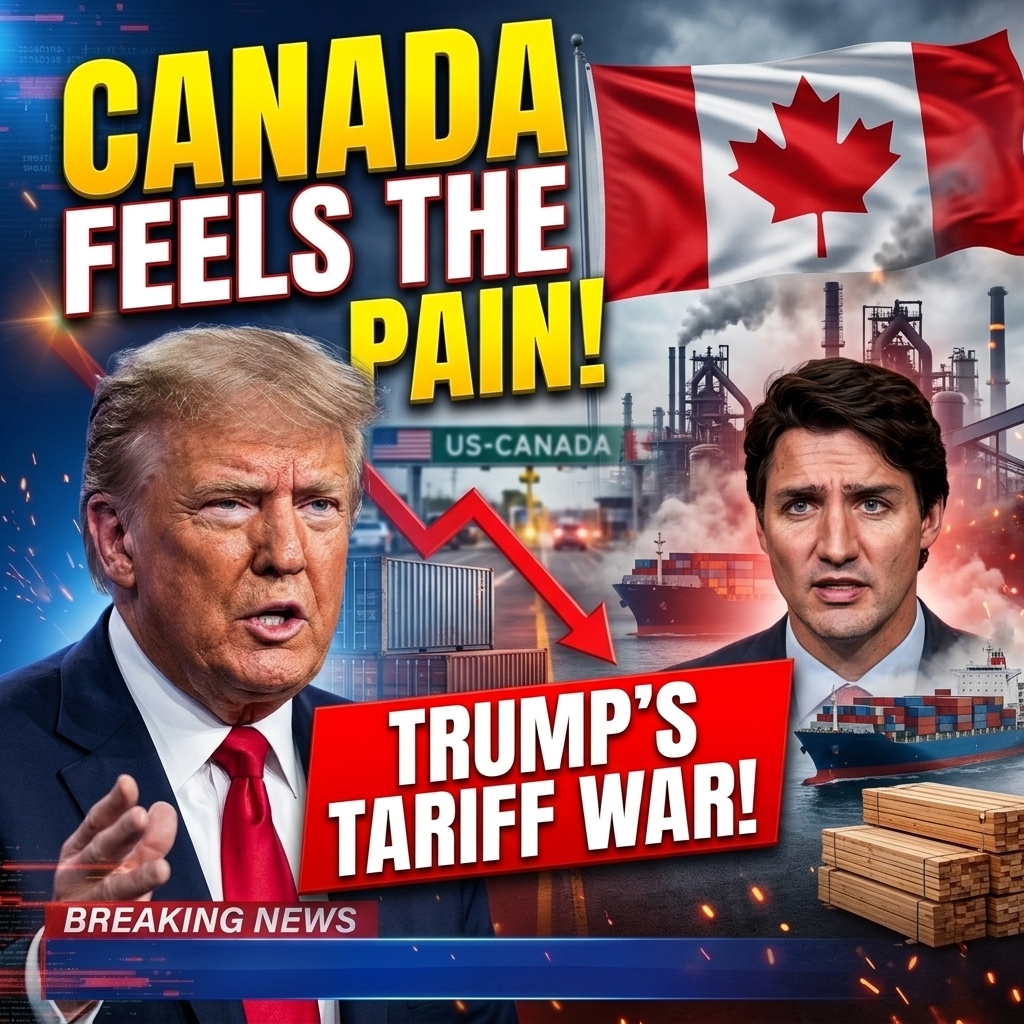
Canada is Feeling the Pain from Trump’s Tariffs, But the Trade Fight Didn’t Start Overnight
From manufacturing plants in Ontario to timber mills in British Columbia, Canada is feeling the pain from Trump’s tariffs. With cross-border duties impacting key sectors—including steel, aluminum, automotive assembly, and energy derivatives—businesses on both sides of the 49th parallel are grappling with supply chain disruptions and shifting cost structures.
While recent policy announcements have dominated international headlines, economic friction between the two North American neighbors is far from new. The current trade dynamic is the latest chapter in a multi-decade story of economic integration, regulatory disputes, and recurring tariff battles between two of the world’s closest trade partners.
Also Read:
Trump Must Go to War on the Airwaves to Stop Democrats’ Blue-Wave Blitz
The Scale of Modern Cross-Border Trade
To understand why recent trade measures resonate so deeply, one must look at the sheer scale of the U.S.–Canada economic relationship. The two countries share one of the world’s largest bilateral trade corridors, moving hundreds of billions of dollars in goods and services annually across deeply integrated supply chains.
+------------------------------------+------------------------------------+
| U.S. Imports from Canada           | U.S. Exports to Canada             |
+------------------------------------+------------------------------------+
| Energy Resources & Crude Oil       | Industrial Machinery & Capital     |
| Automotive Vehicles & Components   | Automotive Components & Assemblies |
| Steel, Aluminum, & Metals          | Chemicals & Agricultural Goods     |
| Softwood Lumber & Wood Products    | Commercial Services & Tech Software|
+------------------------------------+------------------------------------+
Because manufacturing ecosystems—especially in automotive and industrial sectors—rely on components crossing the border multiple times before final assembly, tariffs introduce friction at every stage of production.
Roots of North American Trade Friction
Although the modern trade narrative focuses heavily on presidential executive actions, structural trade disputes between Washington and Ottawa stretch back long before the current administration.
1. The Softwood Lumber Dispute
One of the longest-running trade disputes in modern history involves Canadian softwood lumber. Dating back to the early 1980s, American timber producers have argued that Canada’s system of managing crown timber lands amounts to an unfair government subsidy. Over forty years, this dispute has produced multiple legal battles before international tribunals, NAFTA/CUSMA panels, and the World Trade Organization (WTO).
2. Supply Management in Dairy and Agriculture
Another long-standing point of contention is Canada’s agricultural supply management system, particularly in dairy and poultry. Washington has routinely pushed for greater market access for American dairy farmers, while Canadian leaders have defended the system as essential for protecting domestic agricultural stability.
3. Steel, Aluminum, and National Security Measures
During President Trump’s first term, the administration invoked Section 232 of the Trade Expansion Act of 1962, citing national security grounds to impose sweeping tariffs on global steel and aluminum imports. Canada retaliated with matching duties until a compromise was reached. Similar trade mechanics have re-emerged, testing the limits of North American free trade agreements.
From NAFTA to CUSMA: Renegotiating Rules of Engagement
The renegotiation of the North American Free Trade Agreement (NAFTA) into the Canada-United States-Mexico Agreement (CUSMA / USMCA) was designed to modernize trade rules for the digital era and update automotive rules of origin.
NAFTA Era (1994–2020)                   CUSMA / USMCA Era (2020–Present)
[ Tariff Elimination ] ---> [ Modernized Rules ] ---> [ Periodic Joint Reviews ]
                                                       (Article 34.7)
Despite the ratified agreement, trade friction persists. Joint review clauses written into CUSMA ensure that trade policies, supply chain origin rules, and regional labor provisions remain under continuous evaluation by policymakers in Ottawa, Washington, and Mexico City.
The Economic Ripples Across Industries
As Canada is feeling the pain from Trump’s tariffs, economic consequences ripple across several vital sectors on both sides of the border:
Automotive Sector: Integrated assembly lines in Ontario, Michigan, and Ohio face higher input costs when finished vehicles or parts encounter cross-border duties.
Energy and Critical Minerals: Tariffs or regulatory hurdles on Canadian crude oil, natural gas, and critical minerals impact refinery operations and clean-tech supply chains across the northern U.S.
Consumer Goods and Agriculture: Retaliatory tariffs and counter-measures frequently target consumer goods, agricultural equipment, and food products, driving up shelf prices for end consumers.
Looking Ahead: Strategy for Navigating Trade Volatility
Navigating North American trade friction requires businesses and political leaders to look beyond daily headlines and adopt long-term structural strategies:
Supply Chain Diversification: Canadian exporters are expanding trade relationships with European and Indo-Pacific partners to reduce single-market reliance.
Nearshoring and Regional Resilience: Companies are auditing component sourcing to ensure full compliance with CUSMA rules of origin, minimizing tariff exposure.
Continuous Bilateral Engagement: Business coalitions continue to advocate for joint regulatory alignment, recognizing that cross-border economic integration remains a competitive advantage against global rivals.
While the political rhetoric surrounding tariffs will evolve, history shows that the economic ties connecting Canada and the United States are deeply resilient. Understanding the historical context of trade disputes provides a clearer picture of how both nations can navigate current and future economic challenges.
Frequently Asked Questions (FAQs)
Why is Canada feeling the pain from Trump’s tariffs?
Canada is feeling the pain from Trump’s tariffs because key export industries—including steel, aluminum, automotive manufacturing, and forest products—face increased costs and reduced competitiveness in their primary export market, the United States.
What are the main historical trade disputes between the U.S. and Canada?
Historical trade disputes include the multi-decade softwood lumber disagreement, ongoing debates over Canada’s agricultural supply management system (specifically dairy access), and Section 232 national security duties on steel and aluminum.
How does CUSMA handle trade disputes between member nations?
CUSMA includes built-in dispute settlement mechanisms, rules-of-origin guidelines, and mandatory periodic joint reviews (under Article 34.7) designed to resolve trade disagreements and evaluate agreement performance over time.
Disclaimer
Disclaimer: This article is for informational and educational purposes only. It discusses trade policy, economic history, and news developments regarding U.S.–Canada commercial relations. It does not constitute formal legal, financial, or international trade compliance advice.