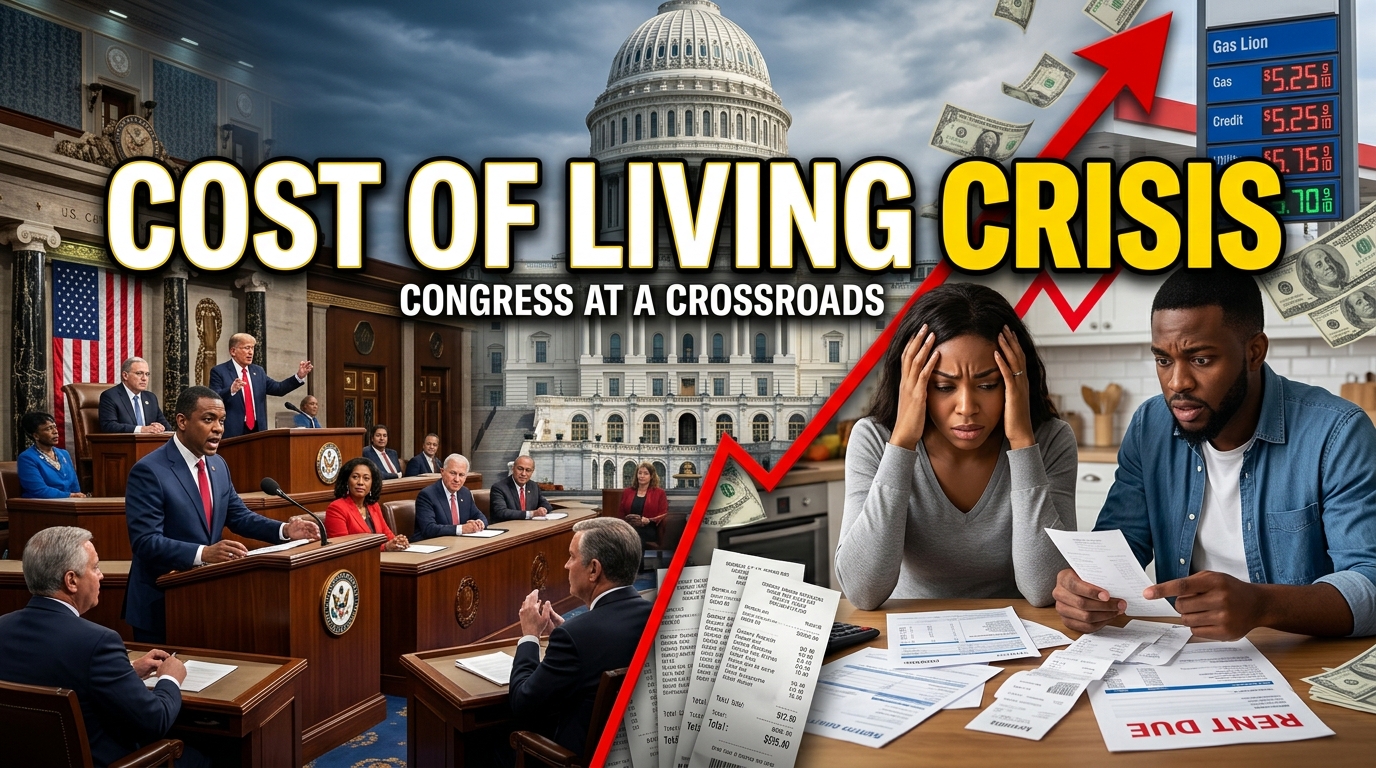
Congressional Control Debates and the Cost-of-Living Crisis: Inside the Midterm Battlegrounds
As Capitol Hill navigates its final weeks in session ahead of the midterm elections, the central axis of American politics has shifted entirely to kitchen-table economics. Lawmakers from both sides of the aisle are confronting an electorate deeply unsettled by persistent inflation, surging energy costs, and everyday budgetary pressures. With control of both the House and the Senate hanging in the balance, the ongoing debates over congressional power are inextricably linked to a singular, overriding voter priority: the cost of living.
Also read:
White-Collar Job Market Stabilization & Tech Hiring Shifts (2026 Guide)
The Affordability Squeeze and Congressional Priorities
Voter dissatisfaction regarding household expenses has transformed legislative strategy. While leadership in Washington has occasionally bogged down or delayed key policy votes on technology and defense spending, economic metrics continue to dictate political urgency [1.2.4]. Polling data highlights that a significant majority of Americans view inflation and overall economic management as pressing challenges, putting immense pressure on incumbents to present concrete relief proposals [1.2.1].
House Democratic leaders, including Hakeem Jeffries, have aggressively framed affordability as the defining issue of the legislative cycle, arguing that everyday consumer goods, groceries, and housing costs remain far too high [1.1.4]. Conversely, Republican lawmakers—particularly those representing agricultural and industrial heartlands—have faced intense pressure over fuel expenses and supply chain costs, prompting calls for executive and legislative interventions, such as potential diesel export curbs to protect domestic truckers and farmers [1.2.5].
Key Legislative Battlegrounds Driving the Debate
Tariffs and Trade Policy: Trade restrictions have become a major flashpoint. Critics argue that broad tariffs function as a national sales tax, driving up retail prices for consumers [1.1.3], while proponents view them as tools to protect domestic manufacturing [1.2.2].
Energy and Fuel Costs: With global conflicts impacting fuel supplies, soaring diesel and gas prices have heavily squeezed logistics networks and agricultural sectors, triggering bipartisan calls in Congress for targeted relief packages [1.2.5].
Healthcare and Social Safety Net Funding: Debates over expiring tax credits and major budget legislation continue to polarize Capitol Hill, as lawmakers argue over the long-term viability and financial burden of federal healthcare programs [1.1.3].
Frequently Asked Questions
1. Why is the cost of living central to congressional control debates?
Because consumer sentiment heavily influences voter behavior during midterm elections. When households experience financial strain due to inflation, fuel prices, and everyday expenses, voters frequently evaluate sitting members of Congress and the executive branch based on their economic performance [1.2.1].
2. What specific economic factors are lawmakers currently debating?
Lawmakers are actively sparring over the inflationary impact of tariffs, federal energy policies and export restrictions, government spending cuts, and the extension or expiration of healthcare and nutrition assistance tax credits [1.1.3, 1.2.2, 1.2.5].
3. How do proposed trade tariffs affect consumer prices?
Critics and various economic analyses suggest that broad import tariffs raise the baseline cost of consumer goods, adding hundreds or thousands of dollars annually to an average family’s budget, which becomes a key point of political debate [1.1.3, 1.2.2].
Conclusion
The current legislative battles in Congress reflect an acute anxiety over America’s economic trajectory. As both parties campaign heavily on their blueprints to restore financial stability, the outcome of the upcoming midterms will ultimately hinge on which party successfully convinces voters of its ability to tame inflation and deliver tangible economic relief.