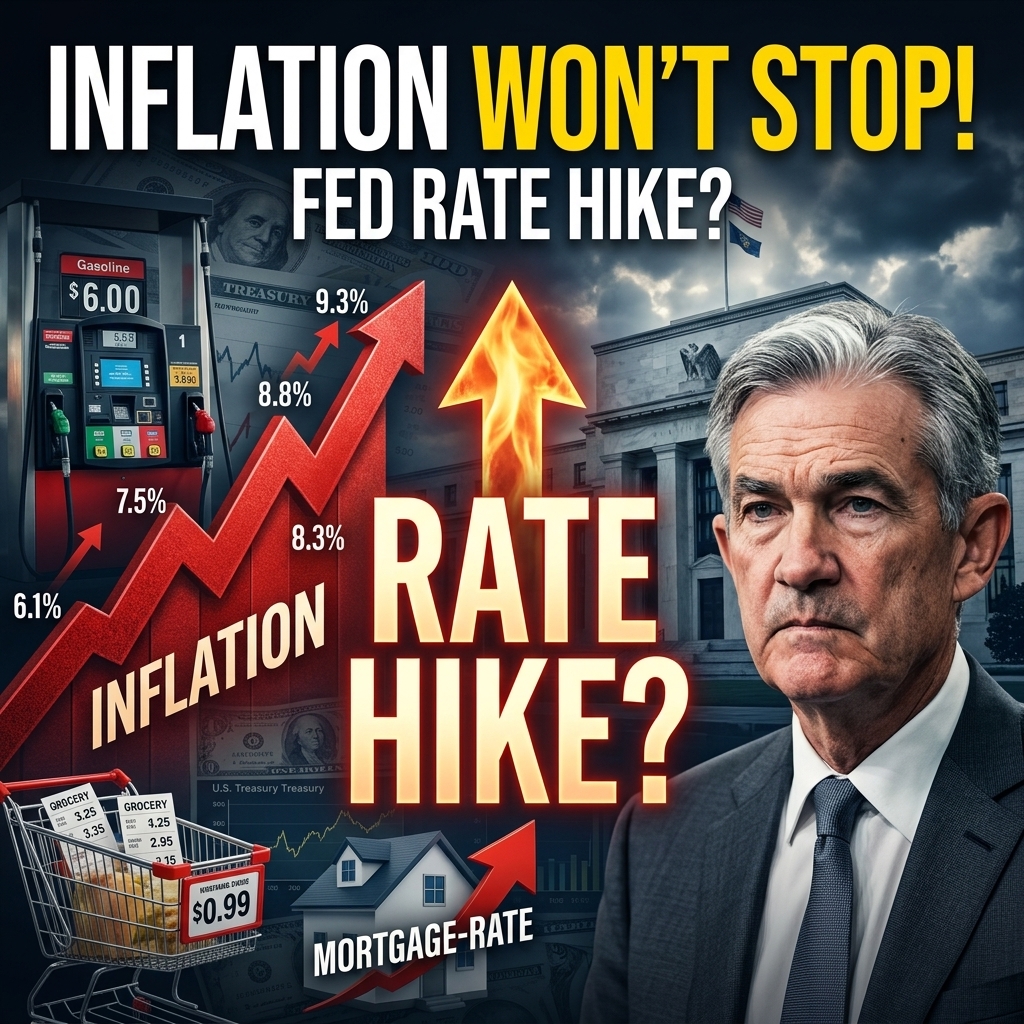
Stubborn Inflation Fed Interest Rate Hike: Why Central Bankers Are Stepping In
Talks of a stubborn inflation Fed interest rate hike are dominating financial headlines again, and for good reason. Just when everyone hoped price increases were finally cooling off, reality hit. The latest Consumer Price Index (CPI) numbers show annual inflation stuck around 3.4%. That is well above the Federal Reserve’s long-term goal of 2%.
So what went wrong? Gas prices jumped as oil crossed $100 a barrel, rent and housing costs stayed uncomfortably high, and massive new AI data centers started pulling insane amounts of electricity off regional grids. Because of all this, central bankers are staring at a tough choice: keep interest rates where they are and watch prices keep climbing, or bump up interest rates again and risk slowing down the economy.
Also Read:
Chiefs vs Broncos Monday Night Football: Kenneth Walker III & Mahomes Lead 31-10 Win
What Keeps Fueling These Price Hikes?
Inflation rarely happens because of just one bad week or a single industry. Right now, a mix of global events and domestic demands is keeping everyday costs high across the country.
Gasoline and Shipping Costs: Oil prices broke past $100 per barrel recently. When fuel gets expensive, everything from grocery deliveries to long-distance trucking costs more, and companies pass those bills straight to shoppers.
Data Center Power Demands: Tech companies are spending billions setting up hardware clusters for artificial intelligence. These facilities use vast amounts of electricity, which pushes up local utility rates for commercial customers.
Sticky Rents and Service Prices: Grocery prices might jump up and down, but rent and service wages tend to stay high once they go up. That makes it really hard to bring overall inflation numbers back down.
A Quick Look at How the Numbers Are Shifting
Here is how key financial indicators look right now compared to when the Fed was sitting tight last year:
| Economic Metric | Last Year’s Numbers | Current Figures | What It Means for You |
| Annual CPI Inflation | ~2.8% | 3.4% | Everyday items are still getting pricier faster than expected |
| Monthly Core Inflation | 0.1% – 0.2% | 0.3% | Underlying prices are not settling down |
| Crude Oil (WTI) | $70 – $78 / barrel | $100+ / barrel | Higher fuel costs at the pump and in shipping |
| Fed Benchmark Rate | 3.50% – 3.75% | Projected 3.75% – 4.00% | Banks pay more to borrow money, and so do consumers |
| 10-Year Treasury Yield | ~4.20% | ~4.95% | Pushes up interest rates on mortgages and business loans |
How Higher Interest Rates Touch Your Wallet
When the central bank hikes benchmark rates, it doesn’t just stay inside Wall Street trading rooms. It trickles right down to everyday consumer accounts.
1. Home Buying and Mortgages
Mortgage rates follow 10-year Treasury yields pretty closely. As those yields rise, 30-year fixed mortgages get more expensive. That pushes potential buyers out of the market and forces more people to rent, which keeps rental demand high.
2. Credit Cards and Personal Loans
If you carry a balance on a credit card, you will likely notice your interest rate going up within a month or two of a rate decision. Variable-rate loans react fast, making debt payoff feel much harder.
3. Business Growth and Hiring
Companies use loans and corporate bonds to expand or hire new staff. When borrowing costs rise, executives often freeze hiring, slow down upgrades, or look for places to cut budgets.
4. Higher Returns for Savers
It isn’t all bad news. If you have cash sitting in a high-yield savings account or a certificate of deposit (CD), higher benchmark rates mean banks pay out better interest on your deposits.
Where Do We Go From Here?
Federal Reserve officials are walking a tightrope. If oil prices settle down and inflation moves back toward that 2% mark, they might hold rates steady for a while to see how things shake out. But if core inflation stays stubborn, another rate bump is almost guaranteed.
Frequently Asked Questions
Q1: Why does the Fed raise rates when prices are already high?
Raising rates makes borrowing more expensive for everyone. When borrowing costs go up, people and businesses spend less money, which forces sellers to stop raising prices so fast.
Q2: How fast will my credit card interest rate go up?
Most credit cards have variable rates tied to the prime rate. That means your interest rate will usually go up within one to two billing statements after a Fed announcement.
Q3: Can energy prices force the Fed to keep rates high?
Yes. Gas and electricity costs touch almost every part of the economy. If energy stays expensive, overall inflation numbers stay high, giving the Fed a reason to keep rates elevated.
Disclaimer
This article is for general informational and educational purposes only and should not be taken as financial or investment advice. Economic conditions and interest rate expectations change frequently based on official government reports.