US diesel prices Middle East conflict inflation
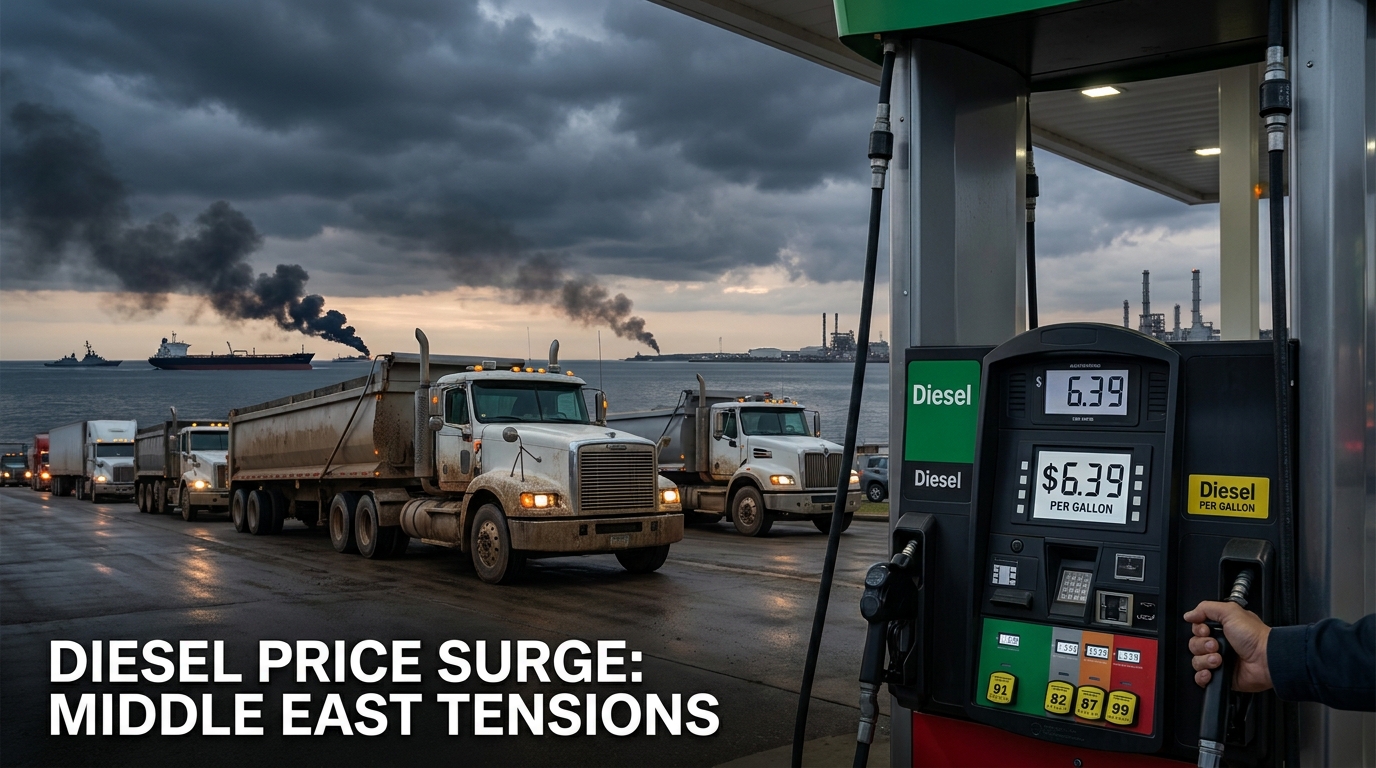
Geopolitical turmoil in the Middle East has once again sent seismic shockwaves through global energy corridors, directly driving US diesel prices Middle East conflict inflation concerns to the forefront of the economy. As mounting military clashes disrupt critical shipping lanes, the cost of powering commercial transport, freight networks, and agricultural equipment has skyrocketed. This acute energy supply shock is re-igniting broader domestic inflation, straining consumer wallets, and presenting heavy operational challenges for supply chains nationwide.
Also read:
UK weather weekend forecast: Temperatures to Climb to Summerlike Levels
The Anatomy of the Diesel Surge
The American Automobile Association (AAA) reported that the national average retail price for a gallon of diesel climbed past the historic $6 threshold, marking an exponential escalation compared to pre-conflict baselines. This staggering ascent is not a mere seasonal fluctuation; it represents a fundamental structural shortage born from intensifying Middle East hostilities.
At the center of this disruption is the de facto constriction and closure of vital maritime chokepoints, notably the Strait of Hormuz. With roughly a fifth of global oil supplies traditionally transiting through these waters, military clashes and security risks have bottlenecked tanker traffic. Simultaneously, regional infrastructure attacks and heightened geopolitical friction have crippled petroleum processing yields.
Domestic refiners are operating near maximum capacity utilization—pushing past 98 percent—yet they remain unable to bridge the gaping supply deficit. Furthermore, heavy international demand has drained U.S. stockpiles as foreign buyers look westward to offset missing barrel imports from affected areas.
Cascading Effects on Freight and Consumer Goods
Diesel is widely recognized as the lifeblood of the commercial economy. Unlike gasoline, which primarily fuels passenger vehicles, diesel powers the heavy-duty trucks, locomotive freight networks, cargo ships, and agricultural machinery required to keep commerce moving.
When diesel prices surge by over 60 percent in a matter of months, the financial impact ripples instantly across every sector of the supply chain:
Freight and Logistics: Motor carriers face thousands of dollars in added operational overhead per vehicle each month, forcing logistics providers to levy steep fuel surcharges.
Retail and Groceries: Transporting goods from distribution centers to local supermarket shelves becomes drastically more expensive, directly inflating the final price tag of consumer staples, clothing, and manufactured goods.
Agriculture and Harvest: American farmers utilize massive amounts of diesel to power tractors, combines, and irrigation systems. The fuel shock coincides directly with peak harvest and planting windows, amplifying food production costs.
Consequently, broader inflation indices are reflecting these compounding pressures, complicating the financial landscape for everyday households trying to absorb months of elevated living costs.
Economic and Policy Implications
The spike in diesel prices has transformed energy security into a central economic and political debate. Economists warn that persistent high fuel costs risk embedding inflation deeper into the service and manufacturing sectors, creating long-term drag. Because commercial transport services have low demand elasticity—meaning trucks must keep rolling regardless of pump prices—businesses have little choice but to pass these inflated overhead expenses directly down to the end consumer.
Policy options to cool the market remain severely constrained in the short term. Strategic petroleum reserve releases offer only temporary psychological relief, while expanding domestic refinery capacity requires multi-year investments. Until diplomatic channels secure maritime safety and normalize passage through vital Middle East shipping lanes, energy markets will likely remain volatile, keeping diesel prices elevated and inflation pressures front and center.
Frequently Asked Questions
Why are U.S. diesel prices rising faster than gasoline prices? Diesel is tied directly to heavy industry, global trade, shipping logistics, and commercial freight. Because it underpins the movement of all goods and agricultural output, global supply deficits and refinery constraints impact diesel supply margins much more severely than standard gasoline.
How does the Middle East conflict impact U.S. fuel costs? Clashes in the Middle East disrupt major oil transit routes such as the Strait of Hormuz. When crude oil flows are choked, global crude prices spike. Because crude oil is the primary raw ingredient for diesel, these international supply shocks immediately translate into higher wholesale and retail pump prices in the United States.
Will high diesel prices cause grocery and retail prices to rise? Yes. Higher diesel costs inflate the price of freight hauling. Since nearly every consumer item relies on trucking or rail transport to reach storefronts, elevated transportation expenses are inevitably passed on to shoppers through higher retail prices.
Is there any immediate relief expected for diesel consumers? Market analysts indicate that meaningful price corrections depend heavily on de-escalation in the Middle East and the full restoration of secure tanker traffic. Until shipping channels stabilize and global inventories rebuild, prices are projected to remain volatile through upcoming high-demand seasons.
Conclusion
The climb of U.S. diesel prices past historical boundaries illustrates how fragile domestic consumer costs remain in the face of international geopolitical friction. As long as maritime trade routes face persistent security threats and refining sectors operate at maximum capacity, businesses and households will continue bearing the financial weight of this energy supply squeeze. Mitigating these pressures will require enduring stability in global trade routes and strategic shifts toward long-term energy resilience.