
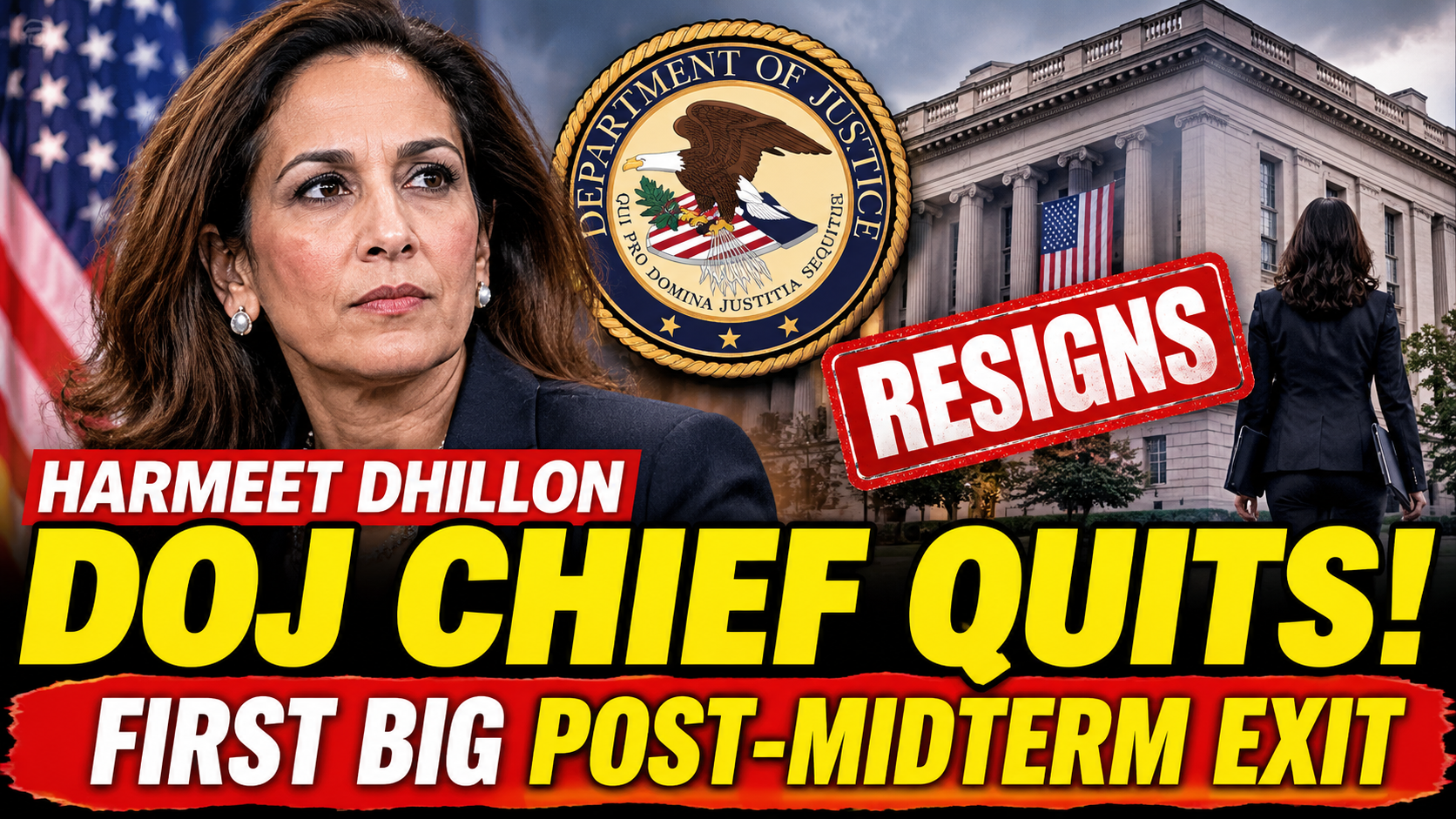
Justice Department Civil Rights Chief Harmeet Dhillon Resigns in First Big Post-Midterm Exit
The announcement that Justice Department civil rights chief Harmeet Dhillon resigns in first big post-midterm exit marks a major political realignment in Washington following the 2026 midterm elections. Stepping down after an intense 18-month tenure leading the Civil Rights Division, Dhillon’s departure serves as the first high-profile executive resignation within the Department of Justice (DOJ) after Democrats captured control of Congress.
Her resignation concludes one of the most controversial chapters in recent DOJ history. Under her leadership, the Civil Rights Division underwent an aggressive overhaul—shifting resources toward investigating noncitizen voter fraud, contesting state voter rolls, and challenging university DEI mandates, while stepping back from traditional federal consent decrees and systemic discrimination lawsuits.
Also Read:
Melania Trump Announces $7.2 Million LSU Scholarship Fund for Students Who Were in Foster Care
                 [ Post-Midterm Executive Realignment ]
                                     │
             ┌───────────────────────┴───────────────────────┐
             ▼                                               ▼
  [ Shift in Congressional Power ]               [ DOJ Leadership Departure ]
   • Democrats Reclaim Control of Congress        • Harmeet Dhillon Submits Resignation
   • Looming House & Senate Oversight             • Concludes 18-Month Tenure
   • Focus on Subpoenas & Division Audits         • Marks 1st Major Post-Midterm Exit
             │                                               │
             └───────────────────────┬───────────────────────┘
                                     ▼
                     [ Civil Rights Division Policy Pivot ]
1. Background Behind the Exit: Midterm Outcomes and Internal Pressure
The timing of Dhillon’s resignation directly reflects shifting political momentum in Washington:
  Senate Confirmation (Apr 2025)       Policy & Legal Challenges      Post-Midterm Resignation (Nov 2026)
+-------------------------------+    +---------------------------+   +------------------------------------+
| Confirmed to Head Civil       | -> | Voter Roll Litigation &   | ->| Resigns Following 2026 Midterms    |
| Rights Division (51-47 Vote)  |    | University DEI Lawsuits   |   | Marks First Major DOJ Exit         |
+-------------------------------+    +---------------------------+   +------------------------------------+
Key Drivers Behind Her Departure
Midterm Election Results: Following significant Democratic gains in both houses of Congress, federal agencies faced incoming subpoena threats, budget reallocations, and oversight hearings.
White House Friction & Legal Setbacks: Reports indicate growing internal friction over the outcome of high-profile voting rights lawsuits, including court rejections of federal attempts to acquire unredacted state voter files.
Departmental Attrition: Dhillon’s tenure was marked by friction with career staff, leading to reassignments and departures among senior civil rights attorneys.
2. Quantitative Summary: Tenure Breakdown and Department Shift
Under Dhillon’s direction, the Civil Rights Division fundamentally altered its legal priorities:
| Operational Metric | Pre-2025 Baseline Average | Dhillon Tenure (2025–2026) | Direction of Division Focus |
| Voter Roll / Fraud Investigations | Standard Audit Focus | High-Priority Escalation | Primary focus on noncitizen voter rolls |
| University Affirmative Action / DEI Lawsuits | Limited / Sector Specific | Systemic Federal Claims | Widespread enforcement against DEI initiatives |
| Federal Police Consent Decrees | Active Oversight | Pivoted / Paused | Shift away from federal local police oversight |
| Career Attorney Retention | Stable Transition | Significant Turnover | Reassignments and staff departures |
3. Political and Legal Consequences for the DOJ
                             [ Division Outlook Post-Dhillon ]
                                             │
             ┌───────────────────────────────┴───────────────────────────────┐
             ▼                                                               ▼
  [ Congressional Oversight ]                                    [ Interim Leadership ]
   • Committee Inquiries into Attorney Attrition                 • Transition to Acting Assistant Attorney General
   • Review of Discontinued Civil Rights Cases                   • Decisions on Pending Higher Ed Lawsuits
             │                                                               │
             └───────────────────────────────┬───────────────────────────────┘
                                             ▼
                             [ Rebuilding Division Priorities ]
Strategic Implications
Congressional Subpoena Risk: With Democrats taking charge of key House and Senate committees, the Civil Rights Division will face scrutiny regarding its case selection, staff turnover, and legal spending over the past 18 months.
Impact on Ongoing Higher Education Litigation: Dhillon’s departure leaves ongoing federal lawsuits targeting university admissions practices and corporate diversity programs under the care of career officials and acting leadership.
Technical Conclusion
The moment Justice Department civil rights chief Harmeet Dhillon resigns in first big post-midterm exit signals the end of a tumultuous era for federal civil rights enforcement. As the administration evaluates replacement candidates to lead the division, federal courts and congressional oversight committees will continue to examine the policy legacy left behind.
Frequently Asked Questions (FAQs)
Why did Justice Department civil rights chief Harmeet Dhillon resign?
Harmeet Dhillon resigned following the 2026 midterm elections, which resulted in a shift in congressional control, alongside mounting legal setbacks and scrutiny over her division’s enforcement priorities.
What were Harmeet Dhillon’s primary focus areas at the DOJ?
During her 18-month tenure, Dhillon prioritized noncitizen voter fraud investigations, state voter roll access litigation, and federal legal challenges against university DEI programs.
Who is replacing Harmeet Dhillon as head of the Civil Rights Division?
The Department of Justice has assigned career leadership on an acting basis while the administration determines whether to submit a new presidential nominee for Senate confirmation.
Disclaimer
This article is published strictly for educational, news analysis, and legal commentary purposes. Department of Justice personnel changes, court records, and official releases reflect verified public sources at the time of reporting.